

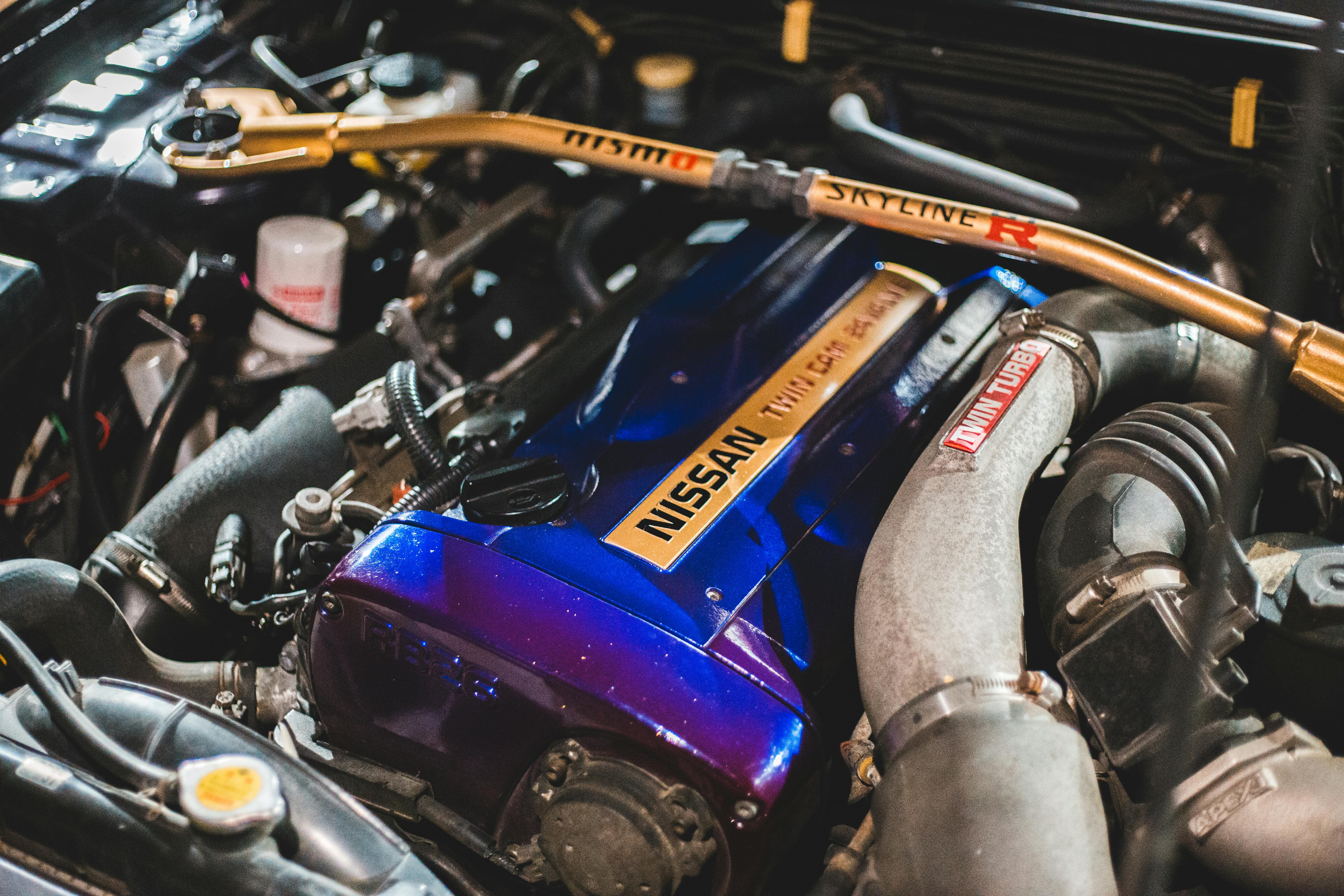
In today’s fast-paced industrial landscape, maximizing the efficiency of mechanical pumps is crucial for enhancing productivity and reducing operational costs. A pivotal aspect of achieving this efficiency lies in the art and science of mechanical pump tuning. Proper tuning ensures that pumps operate at optimal performance levels, delivering the desired flow rates and pressures while minimizing energy consumption. This article delves into the scientific principles underpinning mechanical pump tuning, offering insights into techniques and strategies that can be employed to enhance pump efficiency.
Understanding Mechanical Pump Tuning
Mechanical pump tuning involves adjusting various parameters to optimize a pump’s performance. This process requires a deep understanding of the pump’s operational characteristics and the specific requirements of the system it serves. Effective tuning can lead to:
- Improved energy efficiency
- Reduced wear and tear on mechanical components
- Extended lifespan of the pump
- Minimized maintenance costs
For those looking to enhance pump performance, exploring advanced guides and tips can provide valuable insights into the nuances of mechanical pump tuning. Find out more about this approach.
Key Factors in Pump Tuning
Flow Rate and Pressure Adjustments
One of the primary objectives of pump tuning is to ensure that the pump delivers the correct flow rate and pressure. This involves calibrating the pump to match the specific demands of the system. Factors such as pipe size, system layout, and fluid characteristics can significantly impact the required adjustments. Explore advanced guides and tips to understand how these elements interplay.
Energy Consumption Optimization
Reducing energy consumption is a critical consideration in pump tuning. By optimizing the pump’s motor and impeller settings, significant energy savings can be achieved. This not only lowers operational costs but also contributes to environmental sustainability. Discover expert strategies here for reducing energy use in mechanical pumps.
Tools and Techniques for Effective Tuning
A range of tools and techniques can be employed to facilitate effective mechanical pump tuning. These include:
- Advanced diagnostic equipment for real-time performance monitoring
- Software tools for simulation and analysis of pump operations
- Regular maintenance checks to ensure continued optimal performance
For industry professionals seeking tailored solutions, it is crucial to understand the latest technologies and methodologies available. Learn about our tailored solutions to stay ahead in pump tuning techniques.
The Role of Skilled Technicians
The expertise of skilled technicians plays a pivotal role in the successful tuning of mechanical pumps. Their ability to diagnose issues, interpret data, and implement effective solutions is essential in achieving optimal pump performance. Investing in training and development for technicians ensures that they remain adept at utilizing the latest tools and techniques in the field.
For more in-depth understanding and professional insights into pump tuning, explore advanced guides and tips from industry experts.
Conclusion
Mechanical pump tuning is a sophisticated process that requires a careful balance of science and art. By understanding the fundamental principles and employing the right tools and techniques, businesses can significantly enhance their pump performance, leading to improved efficiency and cost savings. As the industry continues to evolve, staying informed about the latest advancements in mechanical pump tuning is imperative for maintaining a competitive edge. Discover expert strategies here to elevate your understanding and application of pump tuning principles.
