

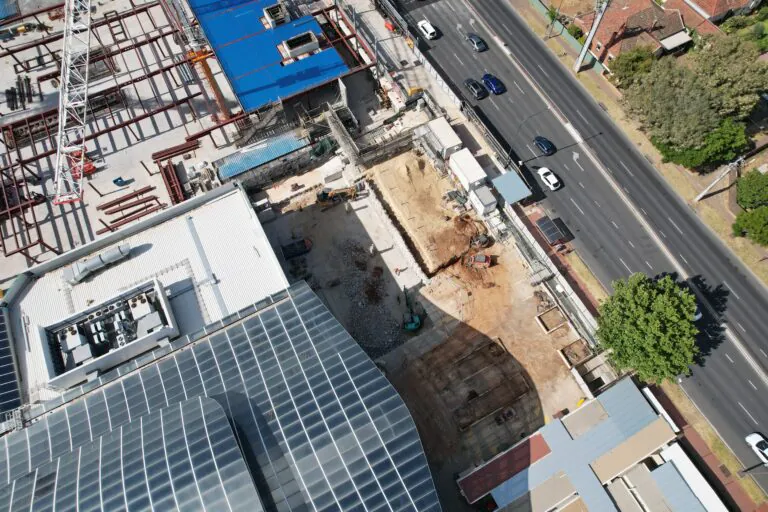
Structural demolition is a critical component of the construction and redevelopment process, requiring precision, expertise, and a keen understanding of safety protocols. Whether for urban development, infrastructure expansion, or renovation projects, trusted structural demolition contractors play a pivotal role in ensuring that demolition processes are carried out efficiently and safely. This article explores the vital aspects of structural demolition, the importance of selecting reliable contractors, and the key considerations involved in the demolition process.
The Role of Structural Demolition Contractors
Structural demolition contractors are responsible for dismantling buildings and other structures in a controlled and safe manner. Their role involves:
- Assessing the structure to determine the safest and most efficient demolition method.
- Utilizing specialized equipment and machinery tailored for different types of demolition tasks.
- Ensuring compliance with local regulations and environmental standards.
- Managing waste and recycling materials where possible.
To delve deeper into the responsibilities and methodologies of these professionals, explore further insights here.
Choosing the Right Demolition Contractor
Key Considerations
Selecting a demolition contractor involves careful consideration of several factors:
- Experience and Expertise: Contractors with a proven track record in handling similar projects are often more reliable.
- Safety Record: A strong safety record indicates adherence to industry safety standards and protocols.
- Licensing and Insurance: Ensure the contractor holds the necessary licenses and insurance for the job.
- Project Management Skills: Effective planning and execution are crucial for timely project completion.
For a comprehensive understanding of what to look for when choosing a contractor, learn more in this detailed guide.
Safety and Environmental Considerations
Safety is paramount in structural demolition. Contractors must adhere to stringent safety measures to protect workers and the surrounding environment. Key safety and environmental considerations include:
- Implementing thorough risk assessments and safety plans.
- Utilizing personal protective equipment (PPE) for all workers.
- Minimizing dust, noise, and debris through innovative demolition techniques.
- Recycling and disposing of materials in an environmentally responsible manner.
To understand more about the safety protocols and environmental responsibilities of demolition contractors, read more about this topic.
Technological Advances in Demolition
The demolition industry has witnessed significant technological advancements. Modern technologies have enhanced the efficiency and safety of demolition processes. These advancements include:
- Remote-controlled machinery that minimizes human risk.
- Advanced software for precise planning and execution.
- Innovative recycling techniques that enhance material recovery.
- Use of drones for site assessment and monitoring.
Find additional information here on how technology is reshaping the demolition industry: Explore further insights here.
Conclusion
Engaging with trusted structural demolition contractors is crucial for the successful completion of demolition projects. Their expertise, adherence to safety standards, and utilization of modern technology ensure that demolition processes are conducted efficiently and responsibly. For anyone involved in construction or redevelopment projects, understanding the role and importance of these professionals is essential. For more detailed information on structural demolition services, find additional information here.
