

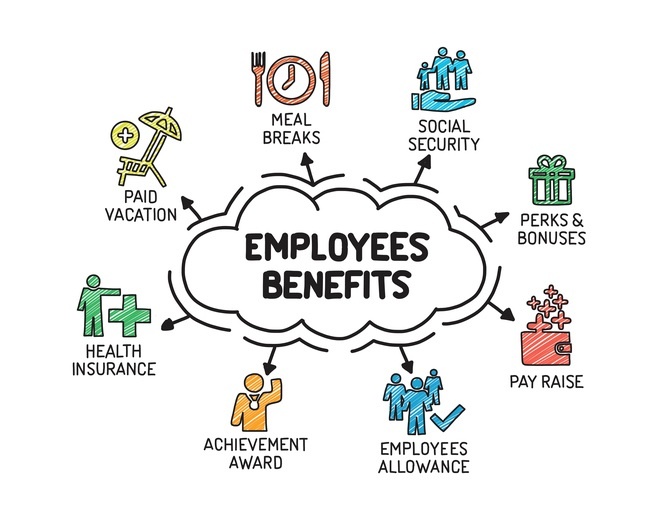
In today”?s fast-paced business environment, organizations are constantly seeking ways to enhance efficiency and improve employee satisfaction. Human Resource (HR) departments, in particular, face the challenge of managing complex processes while ensuring that employees are well-informed and satisfied with their benefits. An employee benefits platform can significantly streamline HR processes, offering a centralized and automated approach to managing employee benefits. This article explores the key advantages of adopting such a platform and how it can transform HR operations.
The Role of an Employee Benefits Platform
An employee benefits platform serves as a comprehensive digital solution for managing employee benefits. It integrates various HR functions, facilitating seamless communication between employees and HR professionals. By leveraging technology, these platforms simplify the administration of benefits and enhance the overall employee experience.
Core Functions
- Centralized benefits management: Employees can access all their benefits information in one place, making it easier to understand and utilize their benefits effectively.
- Automated processes: Routine tasks such as enrollment, updates, and reporting are automated, reducing manual workload for HR teams.
- Enhanced communication: The platform fosters improved communication between HR and employees, ensuring transparency and clarity.
Advantages of Streamlining HR Processes
Streamlining HR processes through an employee benefits platform can lead to several organizational benefits. These advantages not only enhance operational efficiency but also contribute to a positive workplace culture.
Increased Efficiency
By automating repetitive tasks, HR departments can save valuable time and resources. This efficiency allows HR professionals to focus on strategic initiatives that drive business growth. Read more about this topic to understand how automation impacts HR operations.
Improved Employee Satisfaction
- Transparency: Employees have easy access to their benefits information, leading to better understanding and utilization.
- Convenience: A user-friendly platform means employees can manage their benefits at their convenience, reducing the need for direct HR intervention.
- Personalization: Platforms can offer tailored benefits packages, aligning with individual employee needs and preferences.
Learn more in this detailed guide about how personalized benefits can enhance employee satisfaction.
Implementation Considerations
While the benefits of an employee benefits platform are clear, successful implementation requires careful planning and consideration.
Key Factors to Consider
- Integration with existing systems: Ensure the platform is compatible with current HR systems to avoid disruptions.
- User-friendliness: A simple and intuitive interface is essential for high adoption rates among employees.
- Data security: Protect sensitive employee information by choosing a platform with robust security measures.
Explore further insights here to learn about best practices for implementing an employee benefits platform.
Conclusion
Adopting an employee benefits platform can transform HR processes, enhancing efficiency and improving employee satisfaction. By centralizing benefits management and automating routine tasks, HR departments can focus on strategic initiatives that drive organizational success. As businesses continue to evolve, embracing digital solutions like an employee benefits platform will be crucial in maintaining a competitive edge. Find additional information here to explore how these platforms can be tailored to meet specific organizational needs.
In conclusion, the integration of an employee benefits platform is not just a technological upgrade but a strategic move towards a more efficient and satisfied workforce. Organizations that invest in such platforms are likely to experience enhanced employee engagement, reduced administrative burdens, and ultimately, a more robust HR function.
