

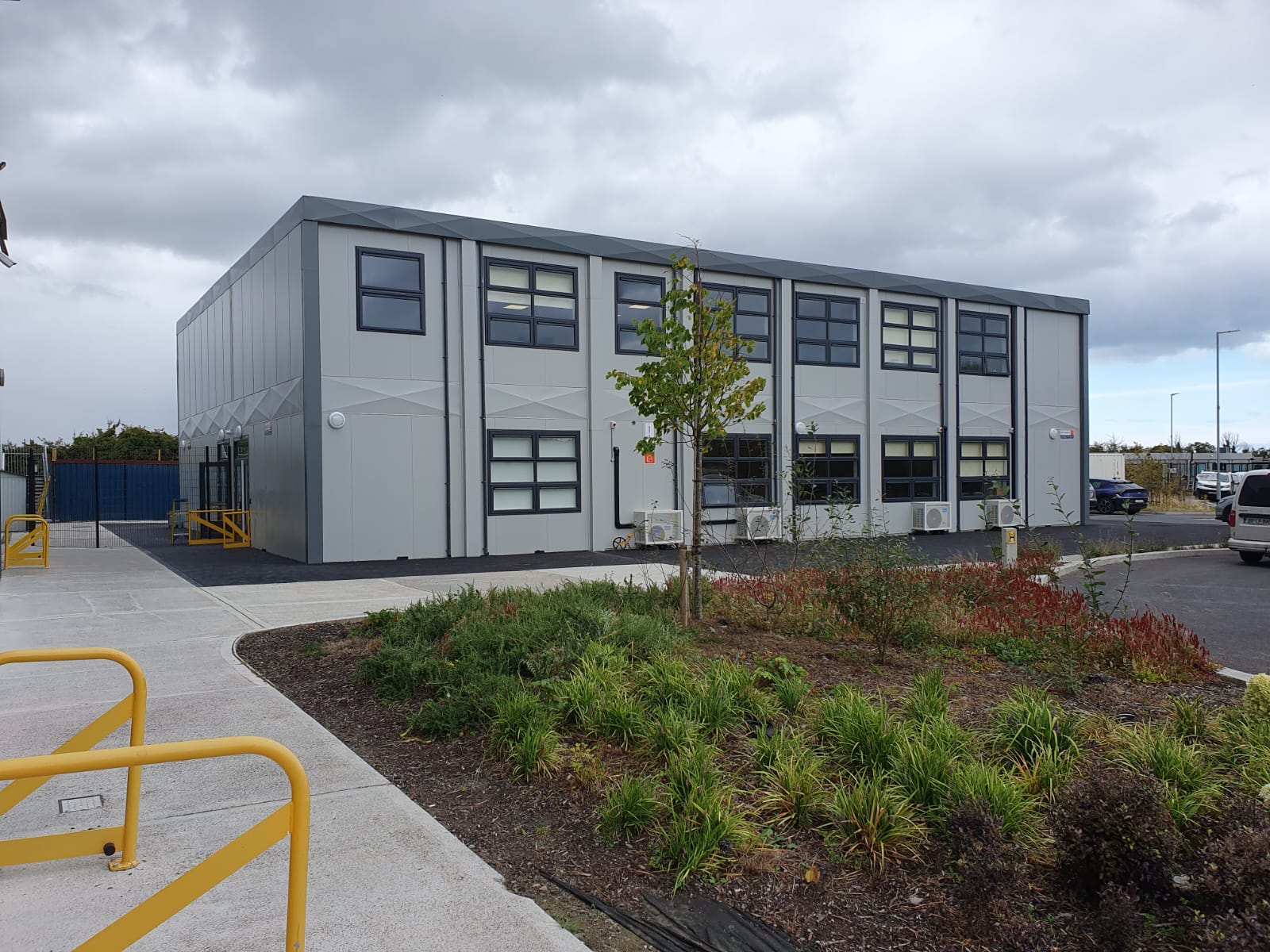
The construction industry has witnessed a significant transformation with the emergence of modular building solutions. These innovations cater to the growing demand for efficient, sustainable, and cost-effective construction methods. Modular buildings, constructed in controlled factory environments, offer unparalleled quality and precision. The appeal of these structures lies not only in their efficiency but also in their ability to meet diverse client requirements with speed and reliability. This article delves into the key aspects of modular building manufacturers, emphasizing their commitment to quality and efficiency.
Understanding Modular Construction
Modular construction involves creating building sections, or modules, in a factory setting before transporting them to the site for assembly. This method differs significantly from traditional construction, where all building processes occur on-site. Key advantages of modular construction include:
- Reduced construction time due to simultaneous site preparation and module fabrication.
- Enhanced quality control through standardized factory processes.
- Minimized waste and environmental impact.
- Improved safety due to controlled factory conditions.
For those interested in a deeper understanding of modular construction methodologies, discover expert strategies here.
Quality Assurance in Modular Manufacturing
Manufacturers of modular buildings prioritize quality assurance at every stage of the production process. This dedication to quality begins with the selection of materials and extends through to the final assembly. Notable practices include:
- Utilizing high-grade materials to ensure longevity and durability.
- Implementing rigorous testing and inspection protocols.
- Adhering to industry standards and certifications.
- Conducting continuous improvement processes to enhance product quality.
These practices ensure that modular buildings meet the highest standards of performance and safety. To learn more about how these processes are tailored to specific needs, learn about our tailored solutions.
Efficiency in Modular Construction
Time and Cost Efficiency
One of the primary appeals of modular buildings is their efficiency in terms of time and cost. By constructing modules in a factory, manufacturers can reduce the overall project timeline by up to 50%. This efficiency translates to:
- Lower labor costs due to reduced on-site work.
- Decreased financing costs from shorter project durations.
- Streamlined logistics and scheduling.
These factors are crucial for clients who require rapid project delivery without compromising on quality. Explore advanced guides and tips to further understand the cost-saving potential of modular construction.
Sustainability and Environmental Impact
Modular building manufacturers are at the forefront of sustainable construction practices. By producing modules in a controlled environment, waste is significantly minimized, and energy efficiency is maximized. Sustainable practices include:
- Recycling and reusing materials where possible.
- Implementing energy-efficient technologies and systems.
- Designing for adaptability and future modifications.
These initiatives not only benefit the environment but also enhance the long-term value of modular buildings. Find out more about this approach to sustainable construction.
Conclusion
Modular building manufacturers are revolutionizing the construction industry by offering high-quality, efficient, and sustainable building solutions. Their commitment to innovation and excellence ensures that modular buildings meet the diverse needs of clients across various sectors. As the demand for rapid and reliable construction methods continues to grow, modular construction stands out as a superior choice. For more insights and resources on modular construction, visit Instaspace.
