

The journey to becoming a commercial air pilot is a thrilling and demanding path that combines passion, discipline, and skill. As a commercial pilot, you will not only master the art of flying but also ensure the safety and comfort of passengers. This guide outlines the key elements of commercial air pilot training, providing insights into the training process, essential skills, and certification requirements. Aspiring pilots will find valuable information here to navigate their way through the skies and achieve their dreams.
Understanding the Training Process
Becoming a commercial pilot involves a comprehensive training process that includes ground school, flight training, and simulator sessions. Each phase is crucial to developing the necessary skills and knowledge.
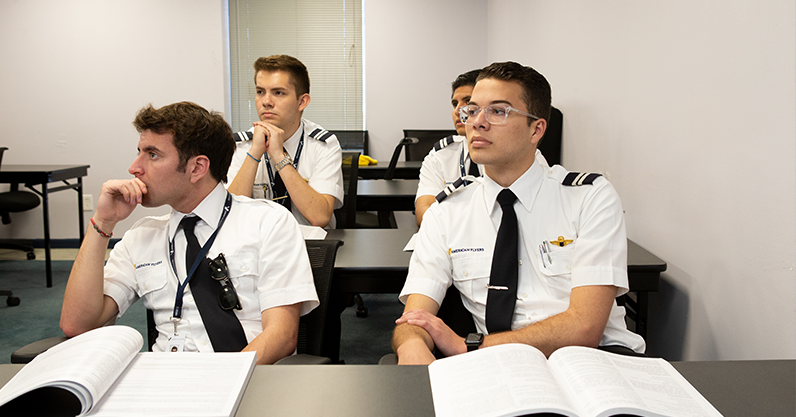
- Ground School: This phase focuses on theoretical knowledge, including aerodynamics, meteorology, navigation, and aviation regulations. It’s essential for pilots to have a strong foundation in these areas.
- Flight Training: Practical experience is gained through in-flight instruction, where students learn maneuvers, emergency procedures, and navigation techniques. Explore advanced guides and tips.
- Simulator Sessions: Simulators provide a controlled environment to practice handling various flight scenarios, enhancing decision-making and problem-solving skills. Learn about our tailored solutions.
Key Skills for Successful Pilots
To excel as a commercial pilot, certain skills are indispensable. These skills ensure not only personal success but also the safety and efficiency of every flight.
- Communication: Effective communication with air traffic control and crew members is vital for safe and efficient flight operations.
- Problem-Solving: Pilots must quickly and accurately assess situations to make informed decisions during flight.
- Attention to Detail: A keen eye for detail is necessary for pre-flight checks, navigation, and responding to unexpected situations.
- Leadership: As the captain, a pilot must exhibit strong leadership qualities to guide the crew and instill confidence in passengers.
Discover expert strategies here.
Certification Requirements
Achieving commercial pilot certification involves meeting specific requirements set by aviation authorities. These standards ensure that pilots are well-prepared for their responsibilities.
- Age and Medical Requirements: Candidates must be at least 18 years old and hold a valid second-class medical certificate.
- Flight Hours: A minimum of 250 flight hours, including specific hours in different flight conditions, is typically required.
- Written and Practical Exams: Passing both a written knowledge test and a practical flight exam is mandatory to demonstrate proficiency.
Find out more about this approach here.
Continuing Education and Career Advancement
The aviation industry is dynamic, and continuous learning is essential for career advancement. Pilots can pursue additional certifications and training to enhance their skills and expand their career opportunities.
- Type Ratings: Obtaining type ratings for different aircraft models allows pilots to operate a variety of planes.
- Advanced Certifications: Certifications such as Airline Transport Pilot (ATP) can lead to opportunities with major airlines.
- Ongoing Training: Regular training ensures pilots remain up-to-date with the latest technology and regulations.
Explore advanced guides and tips here.
In conclusion, mastering the skies as a commercial pilot requires dedication, skill, and continuous learning. By understanding the training process, honing crucial skills, and meeting certification requirements, aspiring pilots can embark on a rewarding career in aviation. For those ready to take flight, the opportunity to soar among the clouds awaits.
