

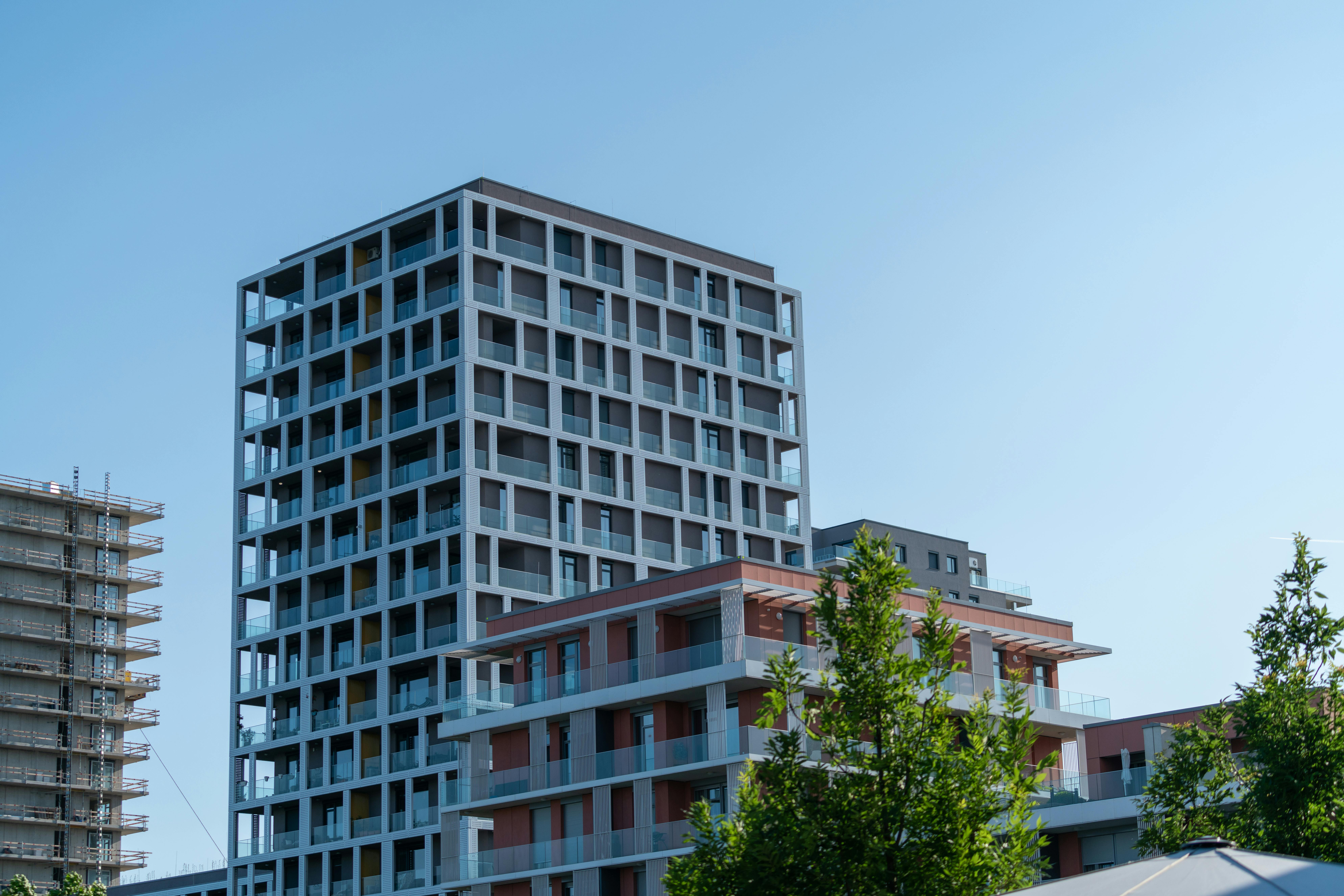
The building industry has witnessed a significant transformation with the rise of prefabricated buildings. This innovative construction method is garnering attention due to its efficiency, cost-effectiveness, and sustainability. Prefabricated buildings, often referred to as modular buildings, are constructed off-site and then transported to the desired location for assembly. This methodology not only reduces construction time but also minimizes the environmental impact. As urbanization accelerates and the demand for sustainable infrastructure grows, understanding the benefits of prefabricated buildings becomes crucial for architects, builders, and developers alike.
Efficiency and Speed of Construction
One of the most compelling advantages of prefabricated buildings is the speed at which they can be completed. Traditional construction methods are often subject to delays due to weather conditions and other unforeseen factors. In contrast, prefabrication allows for:
- Construction of building components in a controlled factory environment, reducing weather-related delays.
- Simultaneous site preparation and building module production, significantly shortening project timelines.
- Streamlined on-site assembly, as modules arrive ready for installation.
By minimizing the construction timeline, stakeholders can realize faster occupancy and return on investment. Find out more about this approach to enhance project efficiency.
Cost-Effectiveness
Cost management is a critical aspect of any construction project. Prefabricated buildings offer substantial cost savings through:
- Reduced labor costs, as much of the work is completed in a factory setting with fewer on-site workers required.
- Decreased material waste, thanks to precise manufacturing processes.
- Lower transportation costs, since fewer deliveries are needed compared to traditional building materials.
These factors make prefabricated buildings an attractive option for cost-conscious developers. Learn about our tailored solutions for cost-effective construction.
Environmental Sustainability
Reduced Waste and Energy Consumption
Prefabricated construction is inherently more sustainable than conventional methods. The controlled environment of a factory allows for:
- Precision in cutting materials, leading to less waste.
- Recycling of leftover materials, promoting a circular economy.
- Lower energy consumption due to efficient production processes.
These elements contribute to a reduced carbon footprint, aligning with global sustainability goals. Explore advanced guides and tips on sustainable building practices.
Design Flexibility and Quality Control
Contrary to common misconceptions, prefabricated buildings offer a high degree of design flexibility. Modern techniques allow for customization to meet specific aesthetic and functional requirements. Key benefits include:
- A wide range of design options, from traditional to contemporary styles.
- Adaptability to different terrains and climates.
- Consistent quality control, as modules are manufactured under strict oversight.
This flexibility ensures that prefabricated buildings are not only practical but also architecturally appealing. Discover expert strategies here for leveraging design potential in modular construction.
Resilience and Durability
Prefabricated buildings are engineered for resilience, making them suitable for diverse environments. They offer:
- Enhanced structural integrity due to precision engineering.
- Resistance to extreme weather conditions, such as earthquakes and hurricanes.
- Longevity, with materials chosen for durability and minimal maintenance.
These attributes ensure that prefabricated structures stand the test of time, providing peace of mind for occupants and investors. Explore advanced guides and tips for constructing durable and resilient buildings.
In conclusion, the benefits of prefabricated buildings are manifold, ranging from quick construction times and cost savings to sustainability and design versatility. As the industry evolves, embracing prefabricated construction methods can lead to more efficient, economical, and environmentally friendly building solutions. For those interested in advancing their understanding and implementation of prefabricated buildings, resources are available to guide you through the process. Find out more about this approach to modern construction today.
