

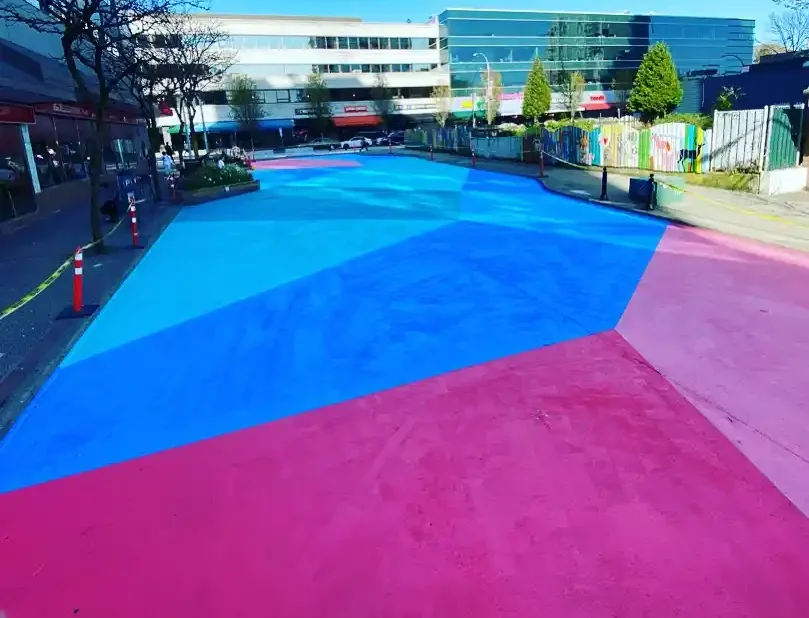
Commercial line painting is a critical component of safety, navigation, and brand identity for businesses that operate in public or semi-public spaces. From parking lots and warehouse floors to roadways and loading docks, clear and durable markings guide drivers, pedestrians, and equipment operators, reducing accidents and improving operational efficiency. In addition to functional benefits, well-executed line painting can reinforce a company’s visual standards and contribute to a professional appearance. This article explores the key advantages of commercial line painting, best practices for implementation, and maintenance strategies that help businesses maximize visibility and longevity of their markings.
Why Commercial Line Painting Matters
Effective line painting serves several essential purposes that directly impact safety, compliance, and productivity:
- Safety Enhancement: Clearly defined lanes, crosswalks, and hazard zones reduce the likelihood of collisions and trips.
- Regulatory Compliance: Many municipalities and industry standards require specific markings for fire lanes, handicap parking, and traffic flow.
- Operational Efficiency: Organized parking and traffic patterns streamline vehicle movement, decreasing wait times and fuel consumption.
- Brand Consistency: Custom colors and logos integrated into markings reinforce corporate identity.
- Asset Protection: Properly marked areas help protect high-value equipment and infrastructure from accidental damage.
For a deeper dive into the safety benefits, Read more about this topic.
Key Elements of Effective Line Painting
Material Selection
The durability of line markings depends largely on the type of paint or coating used. Common options include:
- Thermoplastic: Highly durable, suitable for high-traffic areas, and resistant to weathering.
- Epoxy Paint: Offers strong adhesion on concrete and is ideal for indoor facilities.
- Water-Based Paint: Environmentally friendly, quick-drying, and appropriate for moderate traffic zones.
- UV-Resistant Coatings: Prevent fading from sun exposure, extending the life of outdoor markings.
Choosing the right material can significantly affect longevity. Learn more in this detailed guide.
Design Standards
Consistent design ensures that markings are instantly recognizable. Important considerations include:
- Line width (typically 4-6 inches for traffic lanes, 2-3 inches for parking spaces).
- Color contrast (high-visibility colors like yellow, white, and orange).
- Symbol usage (handicapped symbols, directional arrows, loading zone signs).
- Spacing and alignment to meet local codes and ADA requirements.
For practical examples of design standards, Explore further insights here.
Implementation Process
A systematic approach to line painting ensures quality results and minimizes disruptions:
- Site Assessment: Evaluate surface condition, traffic patterns, and environmental factors.
- Surface Preparation: Clean, repair cracks, and apply primers as needed to promote adhesion.
- Layout Planning: Use stencils or digital mapping to position lines accurately.
- Application: Apply paint or coating with appropriate equipment (spray machines, rollers, or thermoplastic dispensers).
- Curing & Inspection: Allow proper drying time, then verify line visibility and alignment.
Detailed step-by-step procedures can be found by Find additional information here.
Maintenance Best Practices
Even the highest quality markings will degrade over time due to traffic wear, UV exposure, and weather conditions. A proactive maintenance plan extends the lifespan of line paint:
- Regular Inspections: Conduct quarterly checks to identify fading or peeling.
- Prompt Repairs: Touch-up minor damage before it spreads.
- Re-striping Schedule: Plan full re-painting cycles based on traffic intensity (e.g., every 2-3 years for high-traffic lots).
- Cleaning Protocols: Use gentle detergents to remove oil or debris without damaging the paint.
- Environmental Considerations: Choose low-VOC paints in regions with strict emissions regulations.
Guidelines for establishing a maintenance schedule are discussed in this resource: Read more about this topic.
Benefits of Professional Execution
While DIY kits are available, professional line painting delivers superior outcomes due to expertise in surface preparation, material handling, and compliance. Advantages include:
- Consistent line thickness and color fidelity.
- Reduced downtime through efficient project management.
- Access to specialized equipment for thermoplastic and high-performance coatings.
- Assurance of meeting local code requirements and liability standards.
For an overview of why professional services are recommended, Explore further insights here.
Conclusion
Investing in high-quality commercial line painting is a strategic decision that enhances safety, compliance, and brand perception. By selecting appropriate materials, adhering to design standards, following a structured implementation process, and committing to regular maintenance, businesses can ensure that their markings remain clear and effective for years to come. The right approach not only protects people and assets but also contributes to smoother operations and a polished visual presence.
