

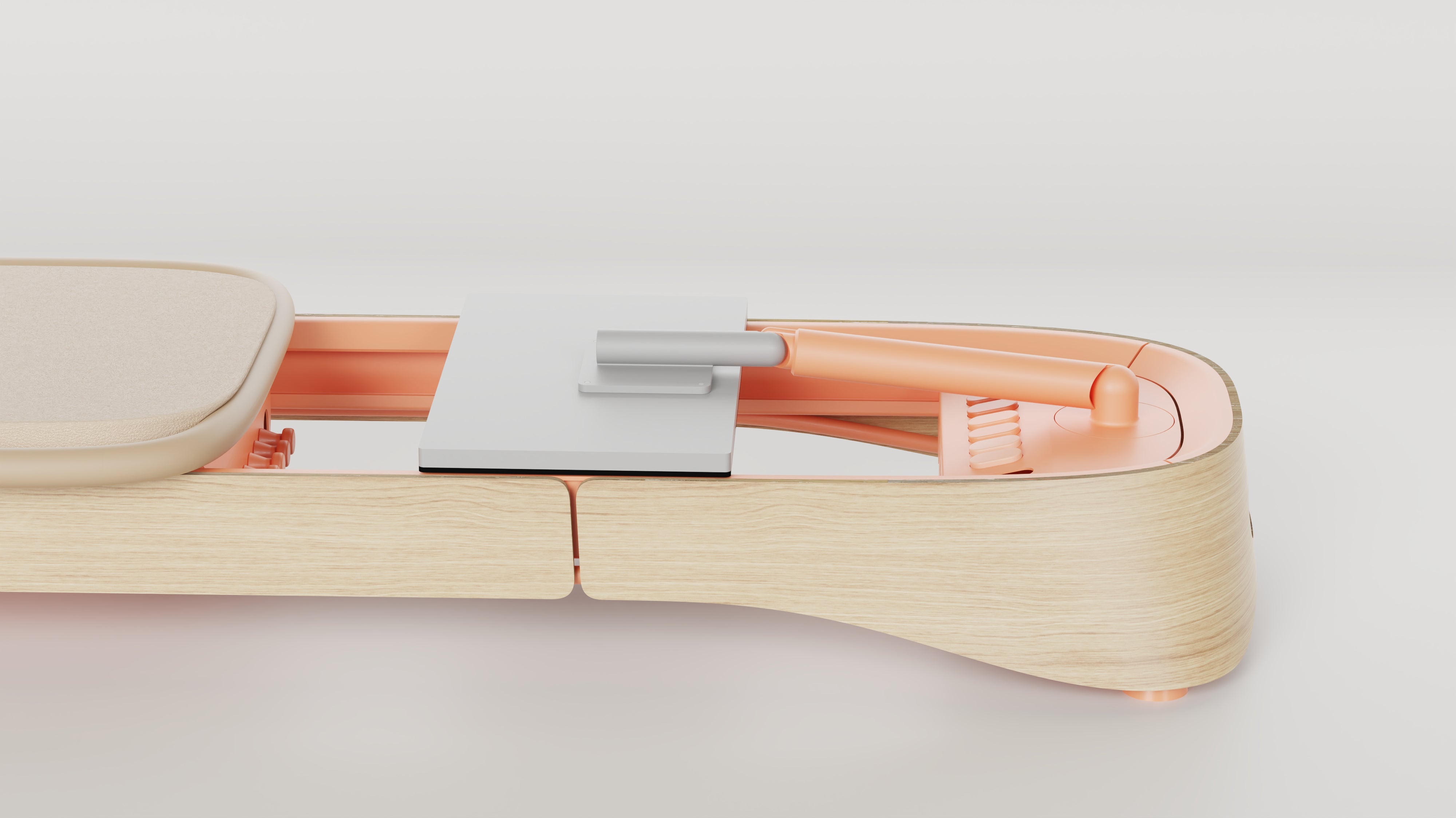
Pilates reformer machines have become a staple in modern fitness spaces, offering a versatile platform for strength, flexibility, and rehabilitation. Whether practiced in a commercial studio or a dedicated home gym, the reformer’s sliding carriage, adjustable springs, and ergonomic design create a low-impact environment that challenges the body while protecting the joints. Understanding the specific benefits of a reformer helps fitness enthusiasts make an informed decision about why a pilates reformer might be the most effective addition to their routine.
Core Strength and Stability
The reformer’s resistance system engages deep core muscles more consistently than mat work alone. By pulling against the springs, users activate the transverse abdominis, multifidus, and pelvic floor, leading to improved spinal alignment and posture.
- Dynamic core activation during leg presses, footwork, and arm circles.
- Enhanced lumbar support reduces lower-back pain.
- Progressive resistance allows gradual strength gains.
Flexibility and Joint Mobility
Because the carriage moves smoothly along a rail, the reformer enables controlled stretching that is both safe and effective. This is especially valuable for individuals recovering from injury or seeking to increase range of motion without overloading joints.
- Full-body stretches can be modified with spring tension.
- Joint-friendly movements protect knees, hips, and shoulders.
- Consistent use improves muscular elasticity and functional mobility.
Versatility for All Fitness Levels
One of the reformer’s greatest strengths is its adaptability. From beginners learning basic footwork to elite athletes performing advanced plyometric sequences, the machine accommodates a wide spectrum of abilities.
- Adjustable springs make the resistance as light or heavy as needed.
- Attachments such as straps, bars, and a reformer pilates machine with screen expand exercise options.
- Both low-impact cardio and high-intensity strength circuits can be programmed.
Why Choose a Reformer for Home Use?
Home fitness has surged, and a home pilates reformer offers studio-quality training without the commute. The compact footprint, quiet operation, and sleek design blend seamlessly into living spaces, making it an attractive investment for long-term health.
Space-Saving Design
Many modern models fold or feature a low-profile carriage, allowing storage in a closet or under a bed. This makes the equipment suitable for apartments, home offices, or dedicated workout rooms.
Cost-Effectiveness
When comparing the cumulative cost of studio memberships, a price pilates reformer often proves more economical over time. Additionally, the durability of a quality machine reduces the need for frequent replacements.
Key Features to Look For
Choosing the right reformer involves evaluating specific attributes that align with personal goals and space constraints.
Adjustable Spring System
Multiple spring stacks provide a range of resistance levels, essential for progressive training. Look for easy-change mechanisms that let users switch tension quickly between sets.
Integrated Technology
Some models include a built-in screen for streaming classes, tracking metrics, or following guided routines. A reformer pilates with screen can transform a solitary workout into an interactive experience.
Quality Build Materials
Frames constructed from aluminum or reinforced steel ensure stability, while wooden platforms add aesthetic appeal and a comfortable foot surface. A wooden pilates reformer often signals premium craftsmanship.
Health Benefits Backed by Research
Scientific studies highlight several physiological advantages of regular reformer training:
- Improved balance and proprioception, reducing fall risk in older adults.
- Increased muscle endurance, particularly in the glutes, hamstrings, and core.
- Enhanced respiratory function through diaphragmatic breathing exercises.
Integrating Reformer Work into a Balanced Routine
While the reformer offers comprehensive benefits, it works best when combined with complementary activities such as cardio, strength training, and mobility work. A balanced weekly schedule might look like:
- 2-3 reformer sessions focusing on core, lower body, and flexibility.
- 1-2 days of low-impact cardio (e.g., cycling or brisk walking).
- 1 day of resistance training using free weights or bands.
- Active recovery with yoga or gentle stretching.
Frequently Asked Questions
What is the difference between a pilates reformer machine and a traditional Pilates mat?
The reformer adds external resistance via springs, allowing precise load adjustments and a broader range of movement patterns. This results in faster strength gains and more targeted muscle activation compared to mat work alone.
How much space does a reformer machine require?
Typical dimensions are around 8-10 feet in length and 2-3 feet in width. Foldable designs can reduce the footprint to approximately 4 feet when stored.
Is a reformer suitable for rehabilitation?
Yes. The low-impact nature and customizable resistance make it ideal for physical therapy, especially for post-injury shoulder, knee, or back rehabilitation.
Conclusion
Investing in a reformer provides a versatile, low-impact platform that enhances core strength, flexibility, and overall functional fitness. Whether seeking a best pilates reformer for home or a professional-grade frame fitness reformer, the machine’s adaptability, space-saving design, and proven health benefits make it a compelling choice for anyone committed to long-term wellness. By selecting a model with the right features, adjustable springs, durable construction, and optional technology, pilates enthusiasts can enjoy studio-level training in the comfort of their own space.
