

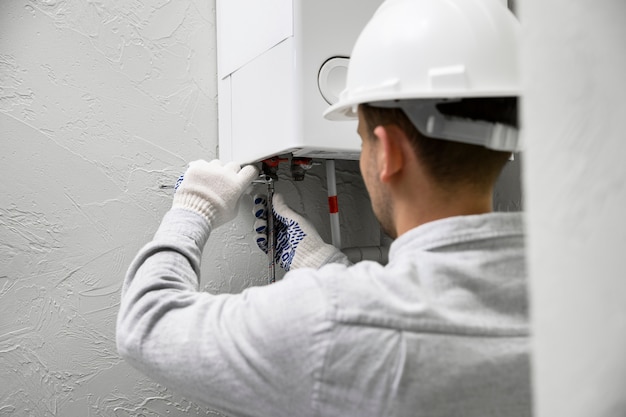
Hot water heaters are a crucial component of any home’s plumbing system, providing warm water for various household needs. However, like any other appliance, they can become inefficient or even fail over time. When this happens, homeowners often face a dilemma: should they repair or replace their water heater? While repair might seem like a cost-effective solution, it’s essential to consider the long-term implications and potential consequences of choosing this option. In this article, we will explore the signs that indicate it’s time to replace a water heater instead of repairing it.
Age and Performance
One of the most significant indicators that it’s time to replace a water heater is its age. Most water heaters have a lifespan of around 8-12 years, depending on factors such as usage, maintenance, and quality. As a water heater approaches the end of its lifespan, its performance will begin to decline. You may notice a decrease in hot water supply, increased energy bills, or even leaks. In such cases, it’s often more cost-effective to replace the water heater rather than investing in repairs.
- Age: If your water heater is nearing or has exceeded its expected lifespan, it’s likely time to consider replacement.
- Performance: If your water heater is no longer providing hot water efficiently or is requiring more frequent repairs, it’s time to think about replacing it.
Leaks and Water Damage
Leaks are a common issue with water heaters, and if left unchecked, can lead to significant water damage and safety hazards. If you notice any signs of leaks, such as water pooling around the unit or rust spots on the tank, it’s essential to address the issue promptly. In many cases, repairing a leaky water heater is not feasible, and replacement is the best course of action.
Discover expert strategies for addressing water heater leaks and preventing water damage at https://www.plumbingtaylorville.com/water-heater-installation-and-repair/.
Energy Efficiency
Modern water heaters are designed to be energy-efficient, and if your unit is no longer meeting these standards, it may be time to consider replacement. Look for signs such as increased energy bills, reduced hot water supply, or a general decrease in performance. In such cases, upgrading to a newer, more efficient water heater can provide significant savings on your energy bills.
Learn about our tailored solutions for energy-efficient water heater replacement and installation at https://www.plumbingtaylorville.com/water-heater-installation-and-repair/.
Safety Concerns
Finally, it’s essential to consider safety concerns when evaluating whether to repair or replace a water heater. If you notice any signs of corrosion, leaks, or other safety hazards, it’s crucial to address the issue promptly. In many cases, repairing a safety hazard is not feasible, and replacement is the best course of action.
Find out more about the importance of safety in water heater maintenance and replacement at https://www.plumbingtaylorville.com/water-heater-installation-and-repair/.
In conclusion, while repair might seem like a cost-effective solution for a malfunctioning water heater, it’s essential to consider the long-term implications and potential consequences. By understanding the signs that indicate it’s time to replace a water heater, homeowners can make informed decisions and ensure their plumbing system remains safe and efficient.
