

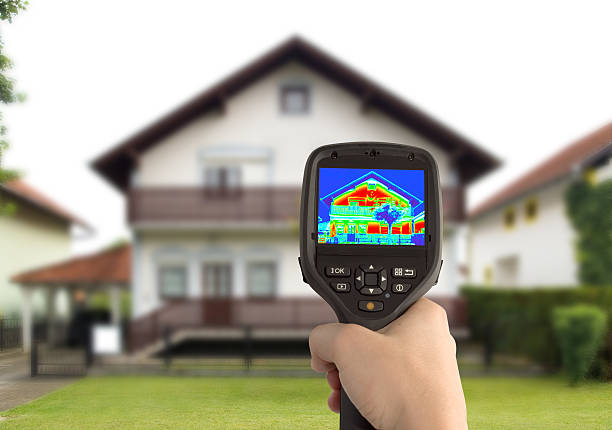
When it comes to home renovation projects, one of the most critical aspects to consider is energy efficiency. This is particularly true for older homes, which often lack the modern insulation and energy-saving features that are now standard in new constructions. In recent years, there has been a growing trend towards incorporating energy efficient insulation into renovation projects, and for good reason. Not only can this type of insulation help reduce energy costs and minimize a home’s carbon footprint, but it can also improve indoor air quality and provide a more comfortable living space.
Benefits of Energy Efficient Insulation
So, what exactly is energy efficient insulation, and why is it so important? In simple terms, energy efficient insulation is designed to minimize heat transfer between a home’s interior and exterior. This is achieved through the use of specialized materials, such as foam board or spray foam, which are installed in a home’s walls, floors, and ceilings. By reducing the amount of heat that escapes through a home’s exterior, energy efficient insulation can help reduce energy costs and minimize a home’s reliance on heating and cooling systems.
- Reduced energy costs: By minimizing heat transfer, energy efficient insulation can help reduce a home’s energy consumption and lower utility bills.
- Improved indoor air quality: Energy efficient insulation can help prevent the entry of pollutants and allergens into a home, creating a healthier indoor environment.
- Increased comfort: By maintaining a consistent temperature, energy efficient insulation can help create a more comfortable living space.
Choosing the Right Insulation for Your Project
With so many different types of insulation available, choosing the right one for your project can be a daunting task. When selecting insulation, it’s essential to consider factors such as climate, budget, and personal preference. For example, in colder climates, a more rigid foam board insulation may be a better option, while in warmer climates, a spray foam insulation may be more suitable.
It’s also worth noting that the type of insulation used can have a significant impact on a home’s overall energy efficiency. For instance, fiberglass batts may not be as effective as spray foam insulation in reducing heat transfer. Therefore, it’s essential to consult with a professional to determine the best insulation option for your specific project.
Installation and Maintenance
Once you’ve selected the right insulation for your project, it’s essential to ensure that it’s installed correctly. This may involve hiring a professional to install the insulation, or in some cases, it may be possible to install it yourself. Regardless of who installs the insulation, it’s crucial to follow the manufacturer’s instructions and take necessary safety precautions to avoid injury or damage.
Finally, it’s worth noting that energy efficient insulation requires regular maintenance to ensure its effectiveness. This may involve checking for air leaks, ensuring that insulation is properly sealed, and replacing damaged or worn-out insulation as needed.
By incorporating energy efficient insulation into your renovation project, you can create a more comfortable, healthier, and more sustainable living space. With the right insulation and proper installation, you can enjoy reduced energy costs, improved indoor air quality, and a reduced carbon footprint. Whether you’re a homeowner or a contractor, it’s essential to prioritize energy efficiency in your next project. For more information on energy efficient insulation, visit energy efficient insulation specialists today.
Conclusion
In conclusion, energy efficient insulation is a critical component of any home renovation project. By selecting the right insulation, ensuring proper installation, and maintaining the insulation over time, you can create a more sustainable, comfortable, and healthy living space. With the many benefits of energy efficient insulation, it’s no wonder that this trend is becoming increasingly popular among homeowners and contractors alike.
