

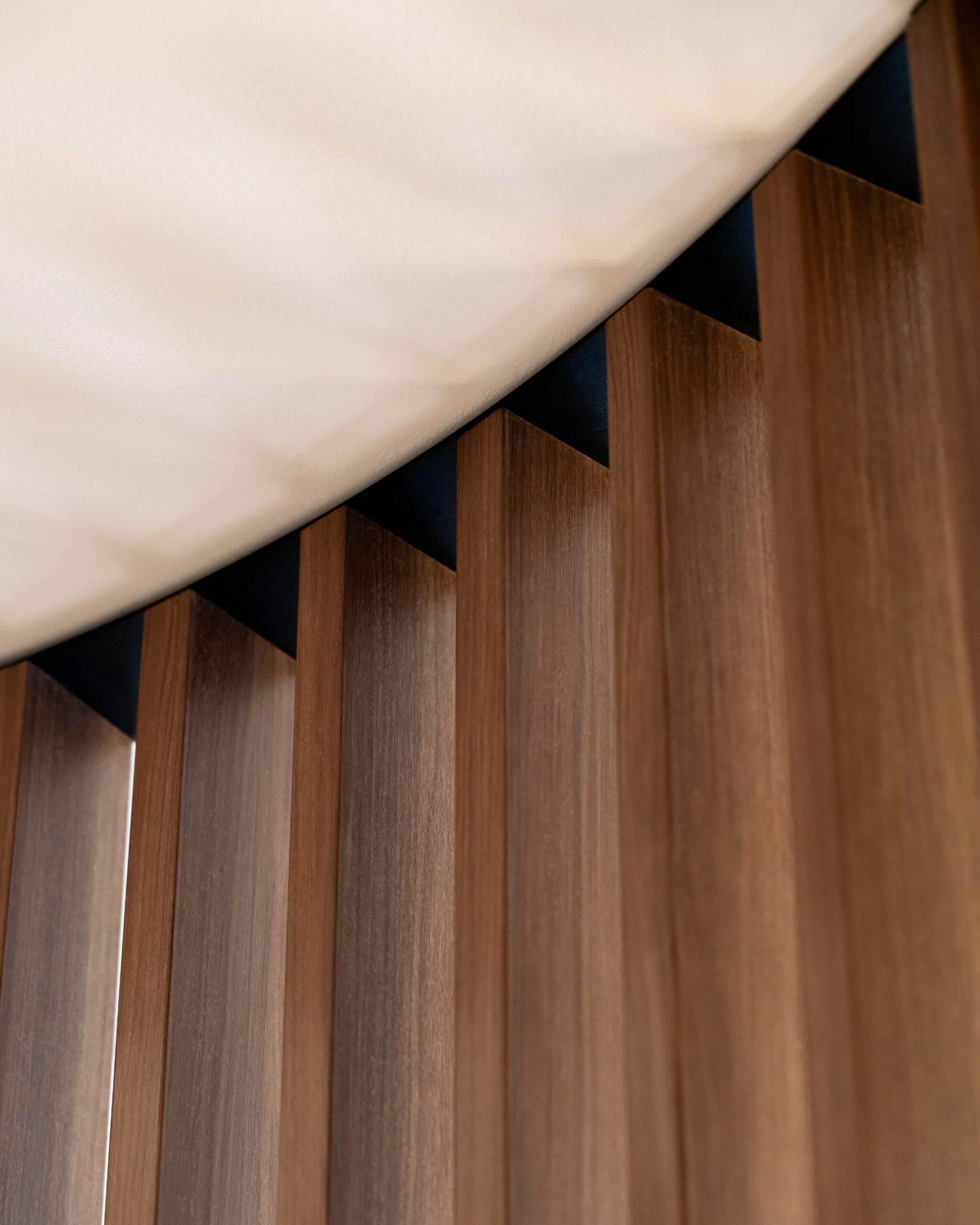
Installing an acoustic timber ceiling is a great way to enhance the aesthetic and acoustic properties of your home. Not only do these ceilings look beautiful, but they also provide a high level of sound absorption, making them ideal for homes with multiple levels or open-plan living areas. With the right materials and a bit of planning, you can achieve a stunning and functional ceiling that meets your needs.
Choosing the Right Materials
When selecting materials for your acoustic timber ceiling, it’s essential to consider the type of timber, its thickness, and the installation method. Thicker timbers tend to provide better sound absorption, but they can also be more expensive and heavier to install. On the other hand, thinner timbers may not provide the same level of sound absorption, but they can be easier to install and more budget-friendly.
One popular option for acoustic timber ceilings is acoustic timber ceiling panels. These panels are designed to provide excellent sound absorption while also being easy to install. They are available in a range of materials, including plywood, MDF, and solid timber, making them suitable for a variety of applications.
Design Considerations
Before installing your acoustic timber ceiling, it’s crucial to consider the design and layout of the space. This includes factors such as the ceiling height, the size and shape of the room, and the location of any windows or doors. You’ll also need to think about the type of lighting you’ll be using and how it will affect the overall aesthetic of the space.
In addition to the physical design of the space, you’ll also need to consider the acoustics of the room. This includes factors such as the type of flooring, the location of any sound-absorbing materials, and the overall layout of the space. By taking these factors into account, you can create a space that is both aesthetically pleasing and functional.
Installation Tips
Installing an acoustic timber ceiling can be a complex process, but with the right tools and a bit of planning, you can achieve a professional-looking result. Here are a few tips to keep in mind:
* Always follow the manufacturer’s instructions for the specific materials you’re using.
* Use a level to ensure that the ceiling is properly aligned and plumb.
* Work in small sections to avoid creating a mess and to ensure that the ceiling is properly supported.
* Use a stud finder to locate the ceiling joists and ensure that your ceiling is properly secured.
Benefits of Acoustic Timber Ceilings
Acoustic timber ceilings offer a range of benefits for homeowners, including improved sound absorption, reduced echo, and a more aesthetically pleasing space. They are also a great option for homes with multiple levels or open-plan living areas, as they can help to reduce noise levels and create a more peaceful environment.
In addition to these benefits, acoustic timber ceilings are also a sustainable and eco-friendly option. Many of the materials used in acoustic timber ceilings are made from sustainably sourced timbers, and the panels themselves are designed to be recyclable at the end of their life cycle.
Conclusion
Installing an acoustic timber ceiling is a great way to enhance the aesthetic and acoustic properties of your home. With the right materials and a bit of planning, you can achieve a stunning and functional ceiling that meets your needs. By considering the design and layout of the space, choosing the right materials, and following proper installation techniques, you can create a space that is both beautiful and functional.
