

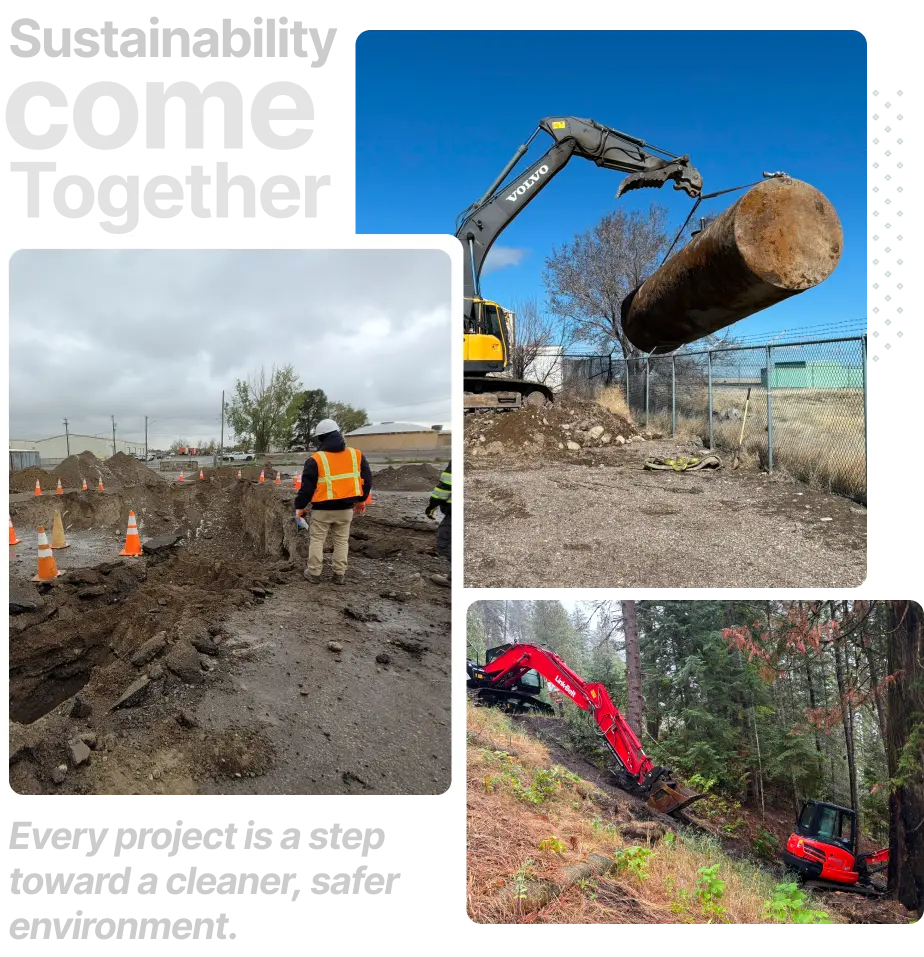
Aquifer testing services are critical for understanding the availability and quality of groundwater resources, which are vital for various applications such as agriculture, industry, and domestic use. Effective aquifer testing not only helps in determining the volume of water that can be extracted sustainably but also assesses the chemical quality of this water, ensuring its safety and suitability for intended purposes. Understanding these aspects requires a combination of field investigations, data analysis, and expert interpretation. By leveraging advanced technology and methodologies, aquifer testing services can provide comprehensive insights into groundwater systems.
The Importance of Aquifer Testing
Aquifer testing is essential for several reasons:
- Determining the sustainable yield of groundwater sources.
- Assessing the impact of extraction on surrounding ecosystems.
- Ensuring the chemical and biological safety of water for consumption.
- Providing data for water management and conservation strategies.
Effective aquifer testing can prevent over-extraction and contamination, safeguarding these precious resources for future generations. Discover expert strategies here.
Types of Aquifer Testing Methods
There are various methodologies employed in aquifer testing, each suited to different conditions and objectives:
Pumping Tests
Pumping tests involve extracting water from a well at a constant rate while monitoring the change in water level. This method helps in understanding:
- The hydraulic properties of the aquifer.
- The sustainable yield and recharge rates.
- The impact on nearby wells and surface water bodies.
Learn about our tailored solutions for implementing effective pumping tests.
Slug Tests
Slug tests are used to determine the hydraulic conductivity of an aquifer. This involves a sudden change in water level in a well and observing the rate of recovery:
- Useful in confined aquifers where pumping tests are impractical.
- Provides quick and cost-effective assessments.
- Ideal for preliminary studies and site evaluations.
Explore advanced guides and tips on selecting the right test for specific conditions.
Interpreting Aquifer Test Results
Accurate interpretation of test results is crucial for effective groundwater management. Key factors include:
- Understanding the aquifer’s capacity and limits.
- Identifying potential contaminants and their sources.
- Developing sustainable extraction plans.
The interpretation process requires expertise in hydrogeology and data analysis, ensuring actionable insights. Find out more about this approach to aquifer testing and management.
Conclusion
Aquifer testing plays a vital role in the sustainable management of groundwater resources. By employing a range of testing methods and leveraging expert analysis, it is possible to ensure the availability and quality of water for various needs. As water scarcity and quality concerns grow globally, these services become increasingly essential. For those looking to implement or improve their aquifer testing strategies, exploring professional resources and expert guidance is crucial. Explore advanced guides and tips to enhance understanding and application of aquifer testing methodologies.
