

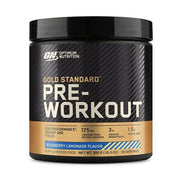
Incorporating protein powder into a fitness routine can significantly enhance performance and recovery. However, with a myriad of options available, selecting the right protein powder can be daunting. Understanding the different types, their benefits, and how they align with individual fitness goals is essential for optimizing workout outcomes. This article aims to guide fitness enthusiasts in making informed choices, ensuring that their protein supplementation supports their unique health and fitness objectives.
Understanding Protein Powder Types
Whey Protein
Whey protein is derived from milk and is known for its quick absorption, making it ideal for post-workout recovery. It contains all the essential amino acids, promoting muscle growth and repair. Discover expert strategies here.
Casein Protein
Unlike whey, casein is a slow-digesting protein, providing a sustained release of amino acids. It is beneficial for muscle retention during periods of fasting, such as overnight. Learn about our tailored solutions.
Plant-Based Proteins
For those preferring non-dairy options, plant-based proteins, including pea, hemp, and brown rice proteins, offer a viable alternative. They are often enriched with vitamins and minerals, catering to a broader range of dietary preferences. Explore advanced guides and tips.
Factors to Consider When Choosing Protein Powder
- Dietary Restrictions: Ensure the protein powder aligns with any dietary restrictions, such as lactose intolerance or veganism.
- Fitness Goals: Different protein types cater to varying fitness goals, from muscle gain to weight loss.
- Digestibility and Absorption: Consider how well the protein is absorbed and tolerated by the body.
- Ingredient Quality: Opt for powders with minimal additives and high-quality ingredients.
Find out more about this approach to ensure your choice supports your specific fitness aspirations.
Integrating Protein Powder into Your Routine
Timing and dosage are crucial elements in maximizing the benefits of protein supplementation. Here are some tips for effective integration:
- Post-Workout: Consuming protein within 30 minutes after exercise can enhance recovery and muscle synthesis.
- Meal Replacement: A protein shake can serve as a convenient meal substitute, especially during busy schedules.
- Before Bed: A slow-digesting protein like casein can support muscle repair overnight.
Balancing protein intake throughout the day can help maintain energy levels and support muscle maintenance. For additional guidance, explore advanced guides and tips.
Conclusion
Selecting the right protein powder can transform a fitness regimen, providing essential nutrients that enhance performance and recovery. By understanding the various types of protein powders and their benefits, individuals can tailor their supplementation to meet their specific health and fitness goals. For those seeking expert advice, numerous resources are available to guide the decision-making process and ensure optimal results from protein supplementation.
