

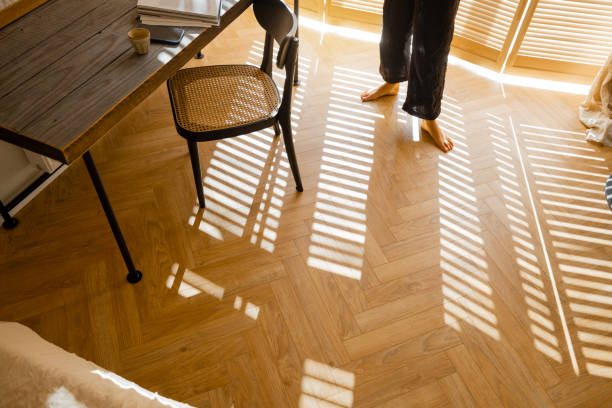
Engineered timber flooring has become an increasingly popular choice for homeowners and commercial establishments alike. This type of flooring combines the natural beauty of timber with enhanced durability and stability, making it an excellent option for those seeking both aesthetics and functionality. However, choosing the right engineered timber flooring can be a daunting task due to the wide variety of options available. This article aims to provide a comprehensive guide to help you make an informed decision.
Understanding Engineered Timber Flooring
Engineered timber flooring consists of multiple layers of wood, bonded together to form a plank. The top layer is made of hardwood, while the underlying layers are typically plywood or high-density fiberboard (HDF). This construction offers several advantages:
- Increased stability and resistance to moisture compared to solid wood.
- Greater versatility in installation over various subfloors.
- Enhanced durability, making it suitable for high-traffic areas.
For more detailed insights, read more about this topic.
Factors to Consider When Choosing
Type of Wood
The species of wood used for the top layer can significantly impact the flooring’s appearance and performance. Common choices include:
- Oak: Known for its durability and classic appearance.
- Maple: Offers a light and clean look, ideal for modern spaces.
- Walnut: Provides a rich, dark finish for a more luxurious feel.
Explore further insights here on wood types and their characteristics.
Finish and Texture
The finish of engineered timber flooring affects both its look and its maintenance requirements. Consider the following options:
- Matte Finish: Provides a natural look and hides scratches well.
- Glossy Finish: Offers a more polished appearance but may show wear more easily.
- Textured Surface: Adds character and is less slippery, making it a safer option for homes with children or pets.
Find additional information here about different finishes and their benefits.
Installation Method
Engineered timber flooring can be installed using several methods, each with its own set of advantages:
- Floating: Easy to install and remove, ideal for DIY projects.
- Glue-down: Provides a more solid feel underfoot and is suitable for uneven subfloors.
- Nail-down: Offers exceptional stability, recommended for professional installation.
Learn more in this detailed guide about installation techniques and their suitability for different scenarios.
Conclusion
Choosing the best engineered timber flooring involves considering various factors such as wood type, finish, texture, and installation method. By understanding these elements, you can select a flooring option that meets your aesthetic preferences and functional needs. For those who wish to delve deeper into the nuances of engineered timber flooring, find additional information here.
