

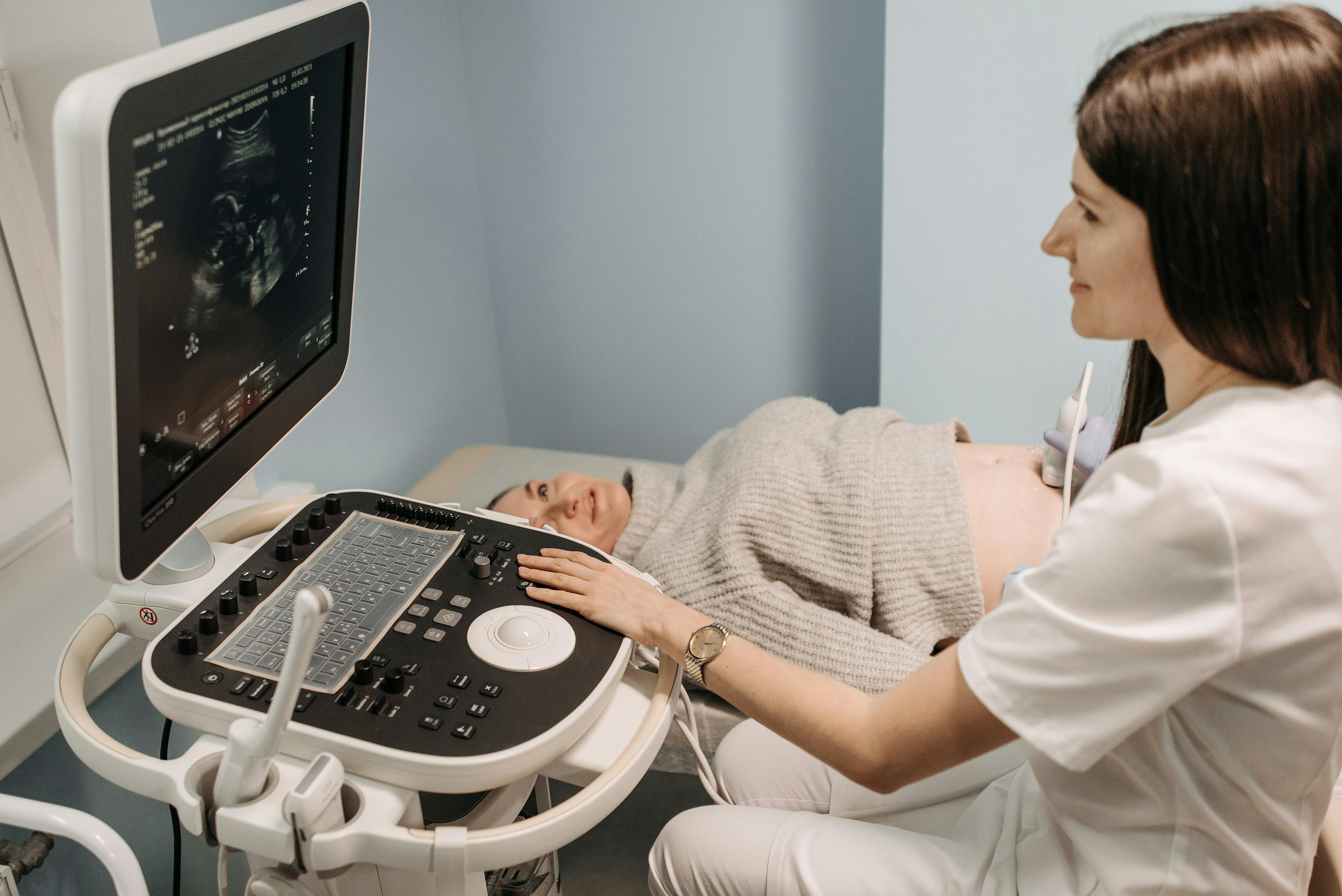
Consulting a Fertility Specialist for Personalized Care
Deciding to seek professional help for fertility concerns marks a significant step toward building a family. A fertility specialist provides expertise that goes beyond general medical advice, offering individualized assessments, evidence-based treatment options, and ongoing emotional support. Understanding what to expect during the consultation process can empower individuals and couples to make informed decisions and feel confident in their care plan.
Why Seek a Fertility Specialist?
Fertility challenges can stem from a wide range of medical, lifestyle, and environmental factors. A specialist’s training enables a comprehensive evaluation that identifies underlying causes and tailors interventions accordingly.
- Comprehensive diagnostic testing, including hormonal panels, imaging, and genetic screening.
- Access to the latest assisted reproductive technologies (ART) and minimally invasive procedures.
- Integration of lifestyle counseling, nutrition, and stress-management strategies.
- Coordination with other healthcare providers such as endocrinologists, urologists, or mental-health professionals.
For a deeper dive into the benefits of specialist care, Read more about this topic.
What to Expect in the Initial Consultation
The first appointment sets the foundation for a personalized care plan. It typically involves a detailed medical history, discussion of reproductive goals, and a preliminary physical examination.
Key Components of the First Visit
- Medical History Review: Past pregnancies, surgeries, chronic illnesses, and medication use.
- Reproductive History: Menstrual cycle patterns, prior fertility testing, and any previous ART attempts.
- Lifestyle Assessment: Diet, exercise, alcohol consumption, smoking, and environmental exposures.
- Partner Evaluation: Male factor testing, including semen analysis and hormonal profiling.
Patients often leave the appointment with a clear list of recommended tests and a timeline for next steps. To explore how these evaluations are structured, Learn more in this detailed guide.
Personalized Treatment Planning
Based on diagnostic findings, the specialist designs a treatment roadmap that aligns with the patient’s unique circumstances and preferences. Options may range from lifestyle modifications to advanced reproductive technologies.
Common Treatment Pathways
- Ovulation Induction: Medications such as clomiphene citrate or letrozole to stimulate egg release.
- Intrauterine Insemination (IUI): A less invasive ART method that places prepared sperm directly into the uterus.
- In Vitro Fertilization (IVF): Retrieval of eggs, fertilization in the laboratory, and transfer of embryos.
- Preimplantation Genetic Testing (PGT): Screening embryos for chromosomal abnormalities before transfer.
- Adjunct Therapies: Acupuncture, physiotherapy, or counseling to support overall well-being.
Each option is discussed in terms of success rates, potential risks, cost considerations, and the emotional impact on the couple. For additional context on treatment selection, Explore further insights here.
Ongoing Support and Monitoring
Fertility treatment is rarely a linear process. Continuous monitoring ensures that the plan remains effective and adaptable to any changes in health status or personal goals.
- Regular ultrasound and hormone level checks to assess response to medication.
- Adjustment of dosages or protocols based on real-time data.
- Psychological support services to address stress, anxiety, or grief.
- Transparent communication channels for quick question resolution.
Maintaining an open dialogue with the specialist helps reduce uncertainty and fosters a collaborative environment. For guidance on best practices for follow-up care, Find additional information here.
Preparing for the Journey Ahead
Successful navigation of fertility treatment involves both medical readiness and emotional preparation. Couples are encouraged to adopt strategies that enhance overall health and resilience.
- Adopt a balanced diet rich in antioxidants, omega-3 fatty acids, and whole grains.
- Engage in moderate physical activity, aim for 150 minutes of aerobic exercise per week.
- Limit caffeine and alcohol intake; avoid smoking and recreational drug use.
- Practice stress-reduction techniques such as mindfulness, yoga, or guided meditation.
- Establish a support network of friends, family, or support groups.
By integrating these lifestyle adjustments with the specialist’s medical plan, patients improve their chances of a positive outcome while preserving mental well-being. For a comprehensive checklist of preparation steps, Read more about this topic.
Conclusion
Consulting a fertility specialist offers a pathway to personalized, evidence-based care that addresses the complex nature of reproductive health. From the initial assessment through tailored treatment and continuous monitoring, the specialist’s expertise helps translate hope into realistic, achievable goals. Empowered with knowledge, realistic expectations, and supportive resources, individuals and couples can navigate the fertility journey with confidence and clarity.
