

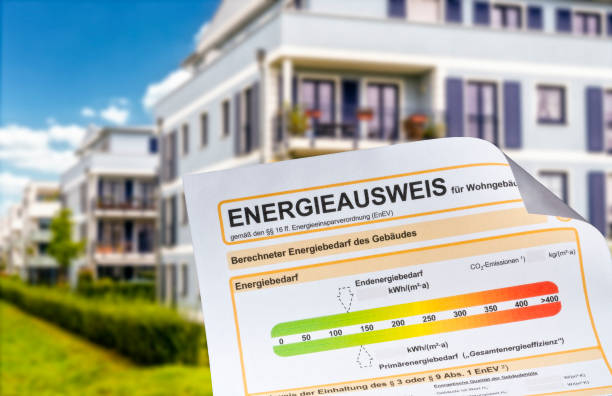
Energy Performance Certificates (EPC) have become a vital component in assessing the energy efficiency of buildings. An EPC provides a clear indication of how energy-efficient a property is, which in turn impacts its environmental footprint and financial value. EPC assessors play a crucial role in this process, ensuring that properties comply with energy regulations and identifying areas for improvement. Understanding the role and responsibilities of EPC assessors is important for property owners, potential buyers, and tenants who are concerned about energy efficiency and compliance.
The Role of EPC Assessors
EPC assessors are trained professionals who evaluate the energy efficiency of buildings. They are responsible for generating an EPC report that rates a building’s energy performance on a scale from A (most efficient) to G (least efficient). This report is essential for property transactions as it provides potential buyers or tenants with valuable insights into the energy efficiency of a property. Read more about this topic.
Key Responsibilities
- Conducting thorough inspections of properties to gather data on energy use.
- Utilizing specialized software to analyze energy performance data.
- Providing recommendations for improving energy efficiency.
- Ensuring compliance with national and local energy regulations.
Importance of Compliance and Efficiency
Compliance with energy efficiency standards is imperative for several reasons. Not only does it help reduce carbon emissions, but it also enhances the market value of properties. For property owners and managers, ensuring compliance can lead to significant cost savings in the long term. Learn more in this detailed guide.
Benefits of Energy Efficiency
- Reduced energy bills due to lower energy consumption.
- Increased property value and marketability.
- Enhanced comfort and living conditions for occupants.
- Contribution to environmental sustainability by lowering carbon footprint.
Challenges Faced by EPC Assessors
Despite the importance of their work, EPC assessors face several challenges in their field. These challenges can affect the accuracy and efficiency of the assessments conducted.
Common Challenges
- Keeping up with changing regulations and standards.
- Accessing accurate and up-to-date data on building energy use.
- Managing the expectations of property owners and stakeholders.
- Ensuring consistency and reliability in assessments across different property types.
Addressing these challenges requires ongoing training and development, as well as collaboration with stakeholders to improve data accuracy and assessment processes. Explore further insights here.
The Future of EPC Assessments
As technology advances and environmental concerns continue to grow, the role of EPC assessors is likely to become even more critical. Innovations in energy measurement and analysis tools may streamline the assessment process, while stricter energy regulations could increase the demand for EPC assessments.
Future trends in EPC assessments may include:
- Integration of smart technology and IoT devices for more accurate data collection.
- Enhanced software tools for more comprehensive energy analyses.
- Greater emphasis on sustainability and renewable energy sources in assessments.
- Increased collaboration between assessors, property owners, and policy makers.
These developments are expected to enhance the reliability and effectiveness of EPC assessments, ultimately benefiting property owners, tenants, and the environment. Find additional information here.
Overall, EPC assessors play a vital role in promoting energy efficiency and compliance in the property market. Their work not only helps reduce energy consumption and enhance property values but also contributes to broader environmental goals. As the demand for energy-efficient buildings continues to rise, the importance of EPC assessments will only grow, making it essential for assessors to adapt and innovate in their practices.
