

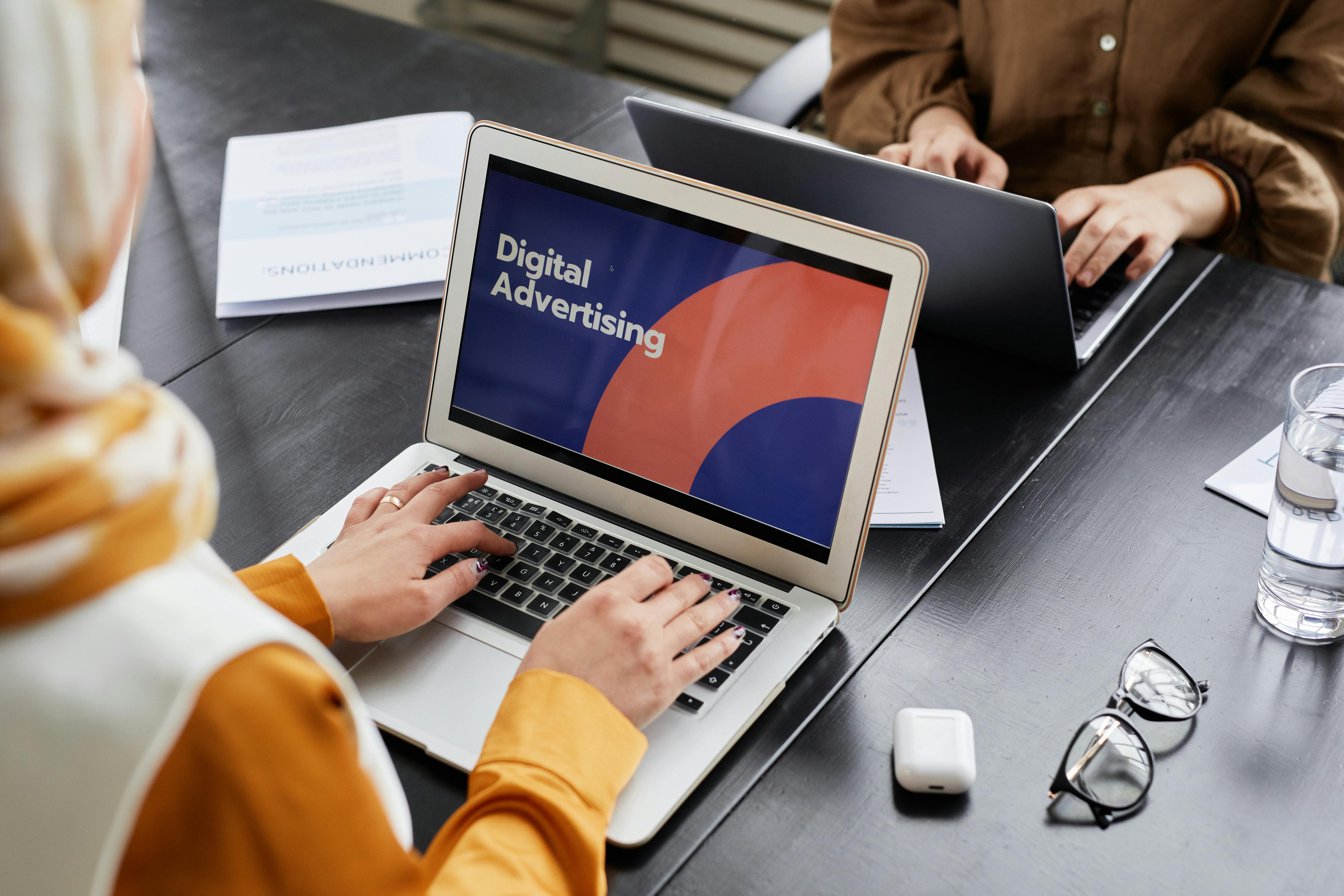
In today’s digital marketplace, LinkedIn has evolved from a professional networking platform into a powerful advertising ecosystem. Businesses that harness LinkedIn’s sophisticated targeting capabilities can connect with decision-makers, amplify brand authority, and accelerate revenue pipelines. Effective LinkedIn ads management requires a blend of strategic planning, data-driven optimization, and continuous learning. By treating each campaign as a dynamic asset rather than a static promotion, organizations can unlock measurable growth while maintaining a professional presence among industry leaders.
Understanding LinkedIn Ads Management
LinkedIn ads management encompasses the end-to-end process of creating, launching, monitoring, and refining paid campaigns on the platform. Unlike broader social channels, LinkedIn offers granular filters such as job title, seniority, company size, and industry vertical. Mastering these filters enables marketers to reach the exact audience that influences purchasing decisions.
- Audience segmentation: Build custom audiences based on firmographic data.
- Creative optimization: Test headlines, images, and calls-to-action to improve click-through rates.
- Budget allocation: Shift spend toward high-performing ad sets in real time.
- Performance analytics: Leverage LinkedIn’s reporting tools to track conversions, cost per lead, and ROI.
For deeper insights into strategic planning, Discover expert strategies here.
Key Benefits for Business Growth
Targeted Reach and Precision
LinkedIn’s professional data set allows advertisers to pinpoint individuals who hold the authority to approve budgets, sign contracts, or influence procurement. This precision reduces wasted impressions and maximizes the relevance of each ad exposure.
Measurable Return on Investment
Robust analytics make it possible to attribute leads directly to specific campaigns, ad formats, or audience segments. By continuously monitoring cost-per-lead and conversion metrics, marketers can justify spend and demonstrate tangible impact to stakeholders.
Brand Authority and Thought Leadership
Sponsored content, carousel ads, and video formats provide a stage for sharing industry insights, case studies, and whitepapers. Consistent delivery of high-value content positions a brand as a thought leader, fostering trust among prospects.
- Enhanced lead quality through senior-level targeting.
- Accelerated sales cycles by engaging prospects early in the decision process.
- Improved brand perception through professional-grade creative.
- Scalable campaigns that adapt to budget changes without sacrificing performance.
To explore how these advantages translate into real-world results, Learn about our tailored solutions.
Best Practices for Optimizing LinkedIn Campaigns
Successful LinkedIn advertising hinges on a disciplined approach that blends creativity with data. The following practices have proven effective across industries:
- Define clear objectives: Whether the goal is brand awareness, lead generation, or event registration, a specific KPI guides creative and targeting decisions.
- Leverage LinkedIn Lead Gen Forms: Pre-filled forms reduce friction, increasing conversion rates compared with external landing pages.
- Implement A/B testing: Rotate headlines, images, and calls-to-action to identify the highest-performing combinations.
- Utilize retargeting: Re-engage visitors who interacted with previous content but did not convert.
- Monitor frequency caps: Prevent audience fatigue by limiting the number of times an individual sees the same ad.
For a comprehensive guide on advanced tactics, Explore advanced guides and tips.
Measuring Success and Scaling Effectively
Analytics should drive every optimization decision. Key performance indicators to track include:
- Click-through rate (CTR) – indicates ad relevance.
- Cost per click (CPC) – reflects bidding efficiency.
- Cost per lead (CPL) – measures acquisition cost.
- Lead-to-opportunity conversion – ties ad performance to sales outcomes.
When metrics demonstrate consistent profitability, consider scaling by increasing budget, expanding audience filters, or testing new ad formats such as Sponsored InMail or Dynamic Ads. Continuous learning loops ensure that growth remains sustainable and aligned with business objectives.
For additional resources on scaling LinkedIn campaigns responsibly, Find out more about this approach.
Conclusion
LinkedIn ads management offers a unique blend of precise targeting, professional audience engagement, and robust analytics, elements essential for modern B2B growth. By adhering to best practices, leveraging data-driven insights, and maintaining a focus on measurable outcomes, businesses can transform LinkedIn from a networking tool into a revenue-generating engine. The strategic integration of expert guidance and continuous optimization ensures that every ad dollar contributes to long-term success.
