

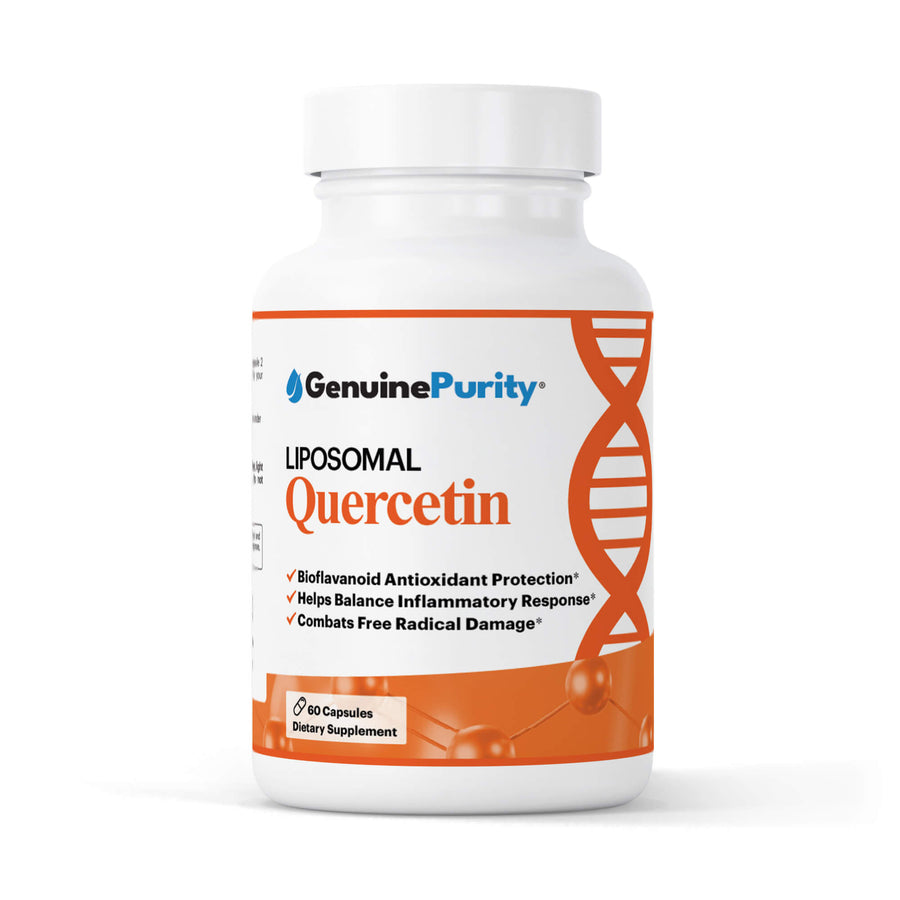
Quercetin 500″?mg supplements have gained attention for their potential to support immune function, cardiovascular health, and overall well-being. As a flavonoid naturally present in apples, onions, and berries, quercetin offers antioxidant and anti-inflammatory properties that can complement a balanced lifestyle. Understanding the science behind a 500″?mg dose, recognizing the situations where it may be most beneficial, and selecting a high-quality product are essential steps for anyone looking to incorporate this compound into their daily regimen.
Key Benefits of a 500″?mg Daily Dose
Research highlights several areas where quercetin can make a measurable impact:
- Antioxidant protection: Neutralizes free radicals, reducing oxidative stress that contributes to cellular aging.
- Anti-inflammatory action: Inhibits mast cell degranulation and cytokine release, which can help manage mild inflammation.
- Immune modulation: Supports the activity of natural killer cells and may improve the body’s response to seasonal viruses.
- Cardiovascular support: Helps maintain healthy blood pressure and improves endothelial function.
- Allergy relief: May lessen histamine-related symptoms such as sneezing and nasal congestion.
Scientific Backing
Clinical trials involving 500″?mg of quercetin, often combined with vitamin”?C, have demonstrated reduced incidence of upper-respiratory infections in athletes and a modest improvement in exercise-induced oxidative damage. A 2021 meta-analysis concluded that regular quercetin supplementation can modestly lower systolic blood pressure in pre-hypertensive adults.
How to Choose the Best Quercetin Supplement
Selecting a premium product requires attention to formulation, purity, and manufacturing standards. Below are the most critical factors to evaluate:
- Standardized dosage: Look for a label that explicitly states 500″?mg of quercetin per serving, ensuring consistent intake.
- Bioavailability enhancers: Some formulas include bromelain, vitamin”?C, or rhamnose to improve absorption; assess whether these additives align with personal health goals.
- Third-party testing: Certifications from independent labs confirm the absence of heavy metals, pesticides, and filler contaminants.
- Transparent sourcing: Products derived from non-GMO plant extracts and produced in GMP-certified facilities provide added confidence.
- Customer reviews and reputation: Consistently positive feedback from users can indicate reliability and effectiveness.
For a detailed look at a reputable option, Discover expert strategies here. This link leads to a formulation that meets the criteria above, offering a pure 500″?mg dose with added vitamin”?C for optimal uptake.
When to Use Quercetin 500″?mg
While quercetin is generally safe for most adults, certain scenarios may benefit from targeted supplementation:
- Seasonal allergy periods – to mitigate histamine release.
- Intensive training cycles – to support recovery and reduce oxidative stress.
- Periods of heightened stress or travel – to bolster immune resilience.
- Early stages of hypertension – as part of a broader heart-health plan.
Individuals on anticoagulant medication or with kidney disorders should consult a healthcare professional before beginning a regimen.
Dosage Timing and Pairing
Optimal results often depend on when and how the supplement is taken:
- Take with a meal containing healthy fats to enhance absorption.
- Pair with vitamin”?C (e.g., 500″?mg) to increase plasma levels of quercetin.
- Avoid high-dose iron supplements within the same window, as iron can compete for absorption pathways.
For additional guidance on synergistic nutrients, Learn about our tailored solutions that outline complementary vitamins and minerals.
Potential Side Effects and Safety Profile
Quercetin is well-tolerated at 500″?mg daily, with most users experiencing no adverse effects. Rarely, mild gastrointestinal discomfort may occur. Long-term safety data suggest no significant risk when used within recommended limits.
Frequently Asked Questions
Can quercetin replace prescription medication?
No. Quercetin serves as a supportive supplement and should not substitute prescribed treatments. Always discuss supplementation with a qualified clinician.
Is a 500″?mg dose necessary, or are lower amounts effective?
Lower doses (e.g., 100-200″?mg) provide antioxidant benefits, but research indicates that 500″?mg delivers more pronounced anti-inflammatory and immune-modulating effects, especially when paired with vitamin”?C.
How long does it take to notice benefits?
Individual responses vary, but many report improved energy and reduced allergy symptoms within 2-4 weeks of consistent use.
Integrating Quercetin Into a Holistic Health Plan
To maximize the advantages of quercetin, combine it with lifestyle habits that reinforce overall wellness:
- Consume a diet rich in colorful fruits and vegetables for natural flavonoid sources.
- Maintain regular physical activity to support cardiovascular health.
- Prioritize sleep and stress-management techniques, which enhance immune function.
For a broader perspective on how quercetin fits within a comprehensive regimen, Explore advanced guides and tips. This resource offers practical recommendations for diet, exercise, and supplementation synergy.
Conclusion
Quercetin 500″?mg stands out as a versatile, research-backed supplement that can aid antioxidant defense, inflammation control, and immune resilience. Selecting a product that emphasizes purity, standardized dosing, and bioavailability ensures that the supplement delivers its full potential. When incorporated thoughtfully, alongside balanced nutrition, regular movement, and adequate rest, quercetin can become a valuable component of a proactive health strategy. For those ready to explore a high-quality option, Find out more about this approach and make an informed choice aligned with personal wellness goals.
