

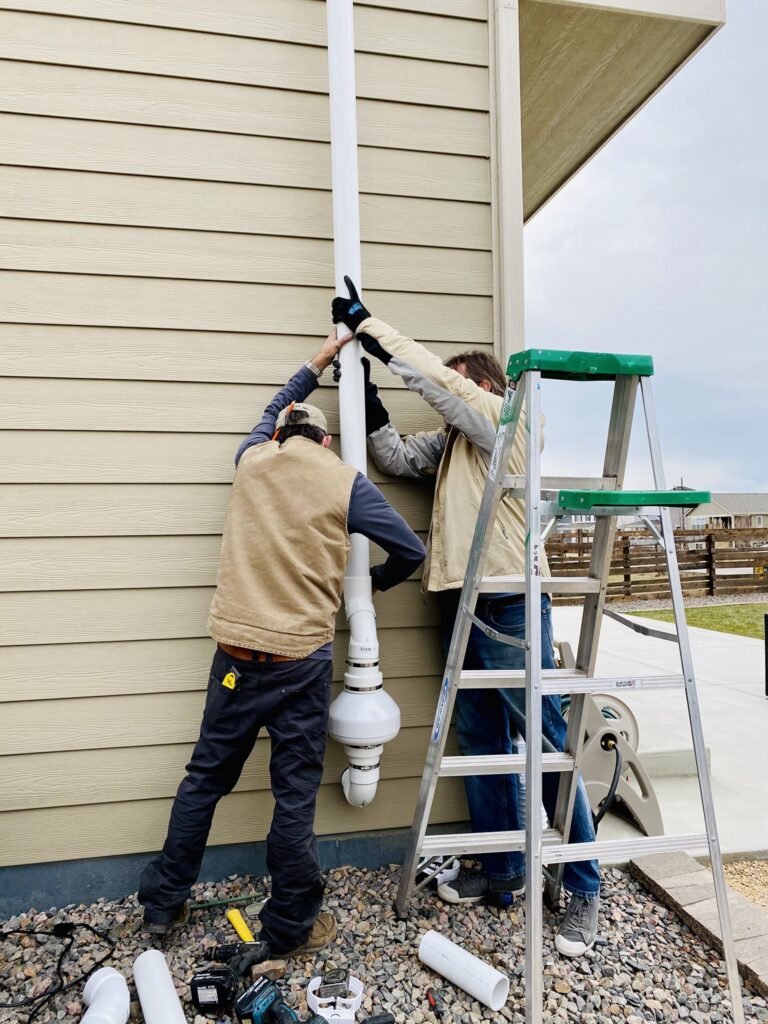
For Denver homeowners, radon gas poses a significant health threat, as it is a leading cause of lung cancer among non-smokers. Due to the geological composition of the region, Colorado, and specifically Denver, has higher than average radon levels in homes. Addressing this issue is crucial for ensuring indoor air quality and maintaining a safe living environment. Effective radon mitigation is not only about protecting health but also about preserving property value. With a range of solutions available, homeowners can take proactive steps to mitigate radon levels and secure their homes.
Understanding Radon and Its Risks
Radon is a colorless, odorless radioactive gas that occurs naturally as a result of uranium decay in soil and rocks. It can seep into homes through cracks in the foundation, gaps around pipes, and other openings. Long-term exposure to high levels of radon can lead to serious health issues.
- Radon is the second leading cause of lung cancer in the United States.
- Homes in Denver are particularly susceptible due to the local geology.
- Testing is the only way to know if radon is present in your home.
Discover expert strategies here to better understand the dangers of radon and the importance of mitigation.
Testing and Assessment
Before implementing any mitigation solution, testing is a critical first step. Homeowners can opt for short-term or long-term tests to measure radon levels accurately.
Short-term Testing
These tests last from a few days to 90 days and are a quick way to get a preliminary reading of radon levels. They are beneficial for initial assessments.
Long-term Testing
Conducted over 90 days, long-term tests provide a more accurate representation of the average radon concentration in a home. This is particularly useful for making informed decisions on mitigation.
Explore advanced guides and tips to learn more about testing methods and which might be best for your situation.
Radon Mitigation Techniques
Upon confirming elevated radon levels, several mitigation techniques can be employed to reduce radon concentrations in homes.
- Sub-slab Depressurization: The most common method where a system of pipes and fans is used to reduce radon levels beneath the home’s foundation.
- Soil Suction: This technique involves drawing radon from beneath the house and venting it outside.
- Sealing: While not a standalone method, sealing cracks and openings can enhance the effectiveness of other radon reduction systems.
Learn about our tailored solutions for a comprehensive understanding of which mitigation technique might suit your home best.
Maintaining Low Radon Levels
After implementing a mitigation system, continuous monitoring and maintenance are essential to ensure its effectiveness.
- Regularly check the system’s operation status.
- Re-test your home periodically to ensure radon levels remain low.
- Consult professionals for system check-ups and maintenance.
Find out more about this approach to keep your home safe from radon.
Conclusion
Mitigating radon in Denver homes is a critical step toward ensuring a healthy living environment. By understanding the risks, testing accurately, choosing the right mitigation techniques, and maintaining systems effectively, homeowners can significantly reduce radon levels and safeguard their family’s health. For those seeking professional guidance, a wealth of resources and expertise is available to support these efforts.
