

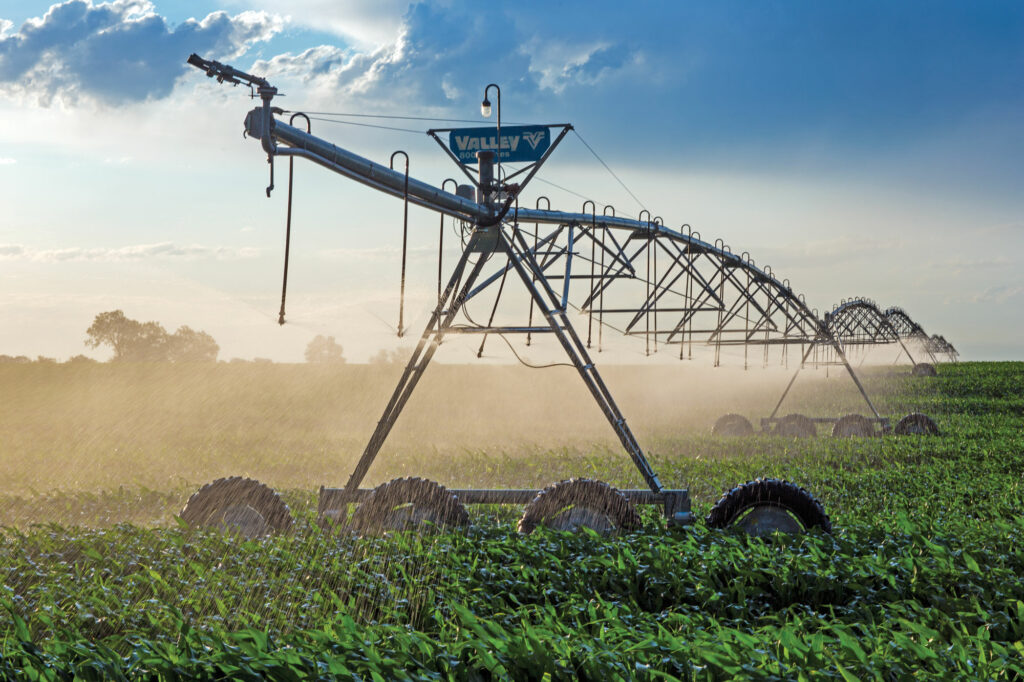
In today’s increasingly digital world, the integration of technology in agriculture and landscaping has become more prevalent, enabling greater efficiency and resource management. One of the pivotal innovations in this field is the remote control irrigation controller. By harnessing advanced technology, these devices provide users with the ability to manage irrigation systems remotely, ensuring optimal water usage and time management. Whether for agricultural fields, commercial landscapes, or residential gardens, remote control irrigation controllers offer substantial benefits by simplifying operations and promoting sustainability.
Understanding Remote Control Irrigation Controllers
Remote control irrigation controllers are sophisticated systems designed to automate and streamline the watering process. These devices allow users to control irrigation schedules and monitor water usage via smartphones, tablets, or computers, regardless of their physical location. By leveraging cloud-based technology and wireless connectivity, they ensure that water is used efficiently, reducing waste and enhancing plant health.
Key Features and Benefits
- Remote Accessibility: Manage irrigation systems from anywhere, eliminating the need to be physically present at the site.
- Water Conservation: Precision scheduling and sensor integration help optimize water use, conserving this precious resource.
- Cost Efficiency: Reduced water usage translates to lower utility bills, and the automation reduces labor costs.
- Customizable Schedules: Easily create and adjust watering schedules based on weather conditions and plant requirements.
- Real-Time Monitoring: Receive alerts and updates on system performance and water usage.
For those seeking to enhance their irrigation management, exploring advanced guides and tips on implementing these systems can provide further insights. Explore advanced guides and tips for effective implementation.
Applications in Various Industries
Remote control irrigation controllers are versatile tools applicable across various sectors. Their adaptability makes them ideal for:
- Agriculture: Large-scale farms can benefit from precise watering schedules tailored to specific crop needs, improving yield and quality.
- Commercial Landscaping: Businesses and facilities can maintain aesthetically pleasing landscapes with minimal water waste.
- Residential Gardens: Homeowners can effortlessly manage their gardens, ensuring lush, healthy vegetation throughout the year.
To understand how these solutions can be tailored to specific needs, learn about our tailored solutions that can be customized for different environments.
Implementing a Remote Control Irrigation System
Transitioning to a remote control irrigation system requires consideration of several factors to ensure optimal performance and efficiency. Key steps in the implementation process include:
Assessing Your Needs
- Determine the specific requirements of your landscape or agricultural area.
- Evaluate current water usage and identify areas for improvement.
Choosing the Right System
- Select a system that aligns with your operational goals and budget.
- Consider systems with robust support and integration capabilities.
For more detailed information on selecting and implementing the right system, discover expert strategies here.
Conclusion
The adoption of remote control irrigation controllers represents a significant step forward in sustainable water management practices. These systems not only save time by automating irrigation processes but also conserve water, benefiting both the environment and the user’s bottom line. By integrating these advanced tools, users can achieve greater efficiency, healthier crops and landscapes, and reduced operational costs. To find out more about this approach and how it can benefit specific applications, find out more about this approach.
