

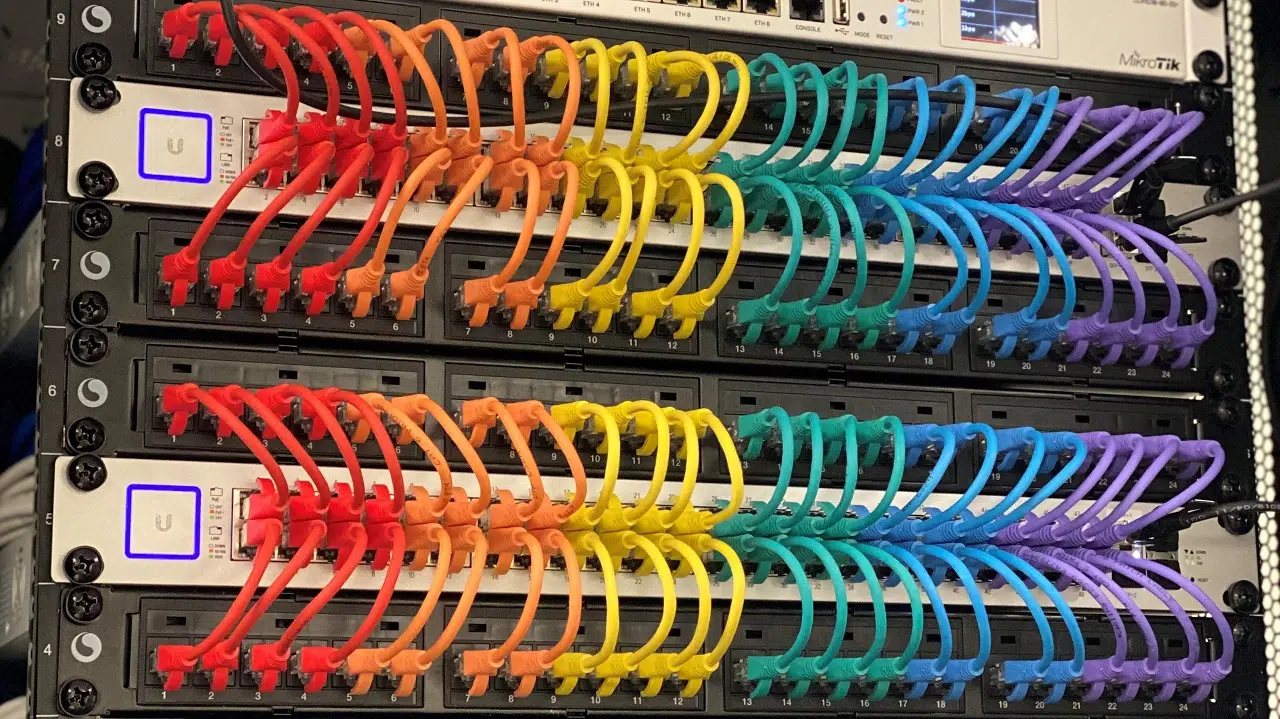
In today’s technologically advanced era, the demand for efficient and effective network cabling installation has never been greater. Organizations, whether large or small, rely heavily on robust networking infrastructures to ensure seamless operations. This dependency has led to a surge in interest for streamlined cabling solutions that not only cater to current needs but also accommodate future expansions. Implementing a well-organized cabling system is essential for maintaining high standards of communication, data management, and overall operational productivity.
Understanding the Basics of Network Cabling
Network cabling serves as the backbone of any IT infrastructure. It consists of various types of cables and connectors that interlink different components within a network. With numerous types of cables available, selecting the appropriate one can significantly impact the network’s performance and reliability.
- Coaxial Cables: Commonly used for cable television and internet connections.
- Fiber Optic Cables: Known for high-speed data transmission over long distances.
- Twisted Pair Cables: Widely used in local area networks (LANs).
Understanding the differences between these cables is crucial for effective network design. For more detailed insights on selecting the right cables, discover expert strategies here.
Planning and Designing the Network Infrastructure
Effective planning is the cornerstone of a successful network cabling installation. It involves assessing the organization’s specific needs, future scalability, and the physical environment where the network will be deployed.
Key Considerations in Planning
- Network Requirements: Evaluate the bandwidth and data transfer needs.
- Scalability: Consider future growth and potential technology upgrades.
- Environment: Analyze the physical layout, including potential obstacles and interference sources.
A comprehensive plan ensures that the network infrastructure supports the organization’s operational goals effectively. For tailored solutions that align with specific requirements, learn about our tailored solutions.
Installation Process and Best Practices
Once the planning phase is complete, the installation process can commence. Adhering to industry best practices guarantees optimal performance and minimizes potential disruptions.
Steps in the Installation Process
- Pre-Installation Testing: Conduct tests to ensure all components are functioning correctly.
- Cable Management: Implement organized routing and secure fastening of cables.
- Post-Installation Testing: Verify network performance and troubleshoot any issues.
Following these steps meticulously can significantly enhance the efficiency of the installation process. For advanced guides and tips on executing these steps, explore advanced guides and tips.
Maintaining and Upgrading the Network
Maintenance and periodic upgrades are vital for ensuring the longevity and effectiveness of a network cabling system. Regular inspections and updates can prevent potential downtimes and ensure that the network remains in line with evolving technological standards.
Maintenance Tips
- Regular Inspections: Schedule periodic checks to identify wear and tear.
- Component Upgrades: Stay updated with the latest technological advancements.
- Documentation: Keep detailed records of the network layout and changes.
For more information on maintaining and upgrading network cabling systems, find out more about this approach.
