

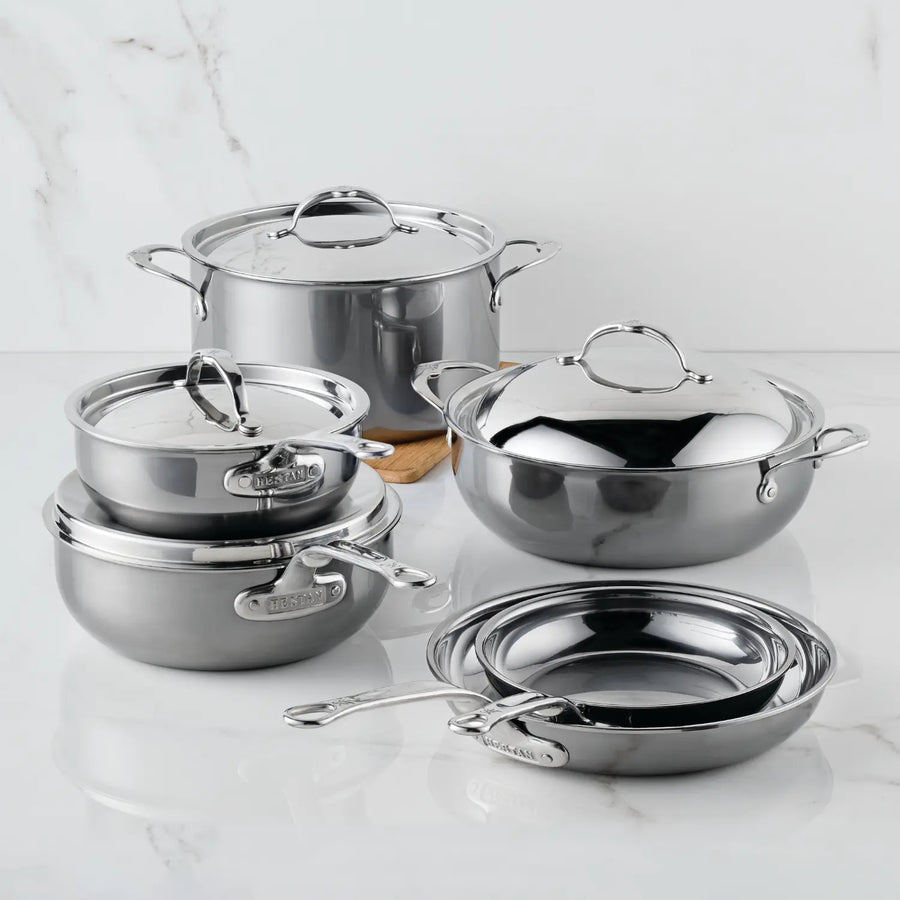
Titanium cookware has gained popularity among chefs and home cooks alike for its durability, exceptional performance, and aesthetic appeal. Known for being lightweight yet incredibly strong, titanium offers a unique cooking experience. This guide delves into the essential aspects of titanium cookware, exploring its benefits, maintenance tips, and considerations for choosing the right set for your kitchen.
Why Choose Titanium Cookware?
Titanium cookware is favored for several reasons, including:
- Durability: Titanium’s natural strength ensures that cookware made from this material is long-lasting and resistant to warping.
- Lightweight: Despite its strength, titanium is surprisingly light, making it easy to handle and maneuver while cooking.
- Non-reactive Surface: Titanium cookware does not react with acidic or alkaline foods, preserving the flavors and nutrients of your dishes.
- Scratch Resistance: The tough surface of titanium cookware resists scratches, maintaining its appearance over time.
- Even Heat Distribution: Some titanium cookware is bonded with other metals, such as aluminum, to ensure even heat distribution and eliminate hot spots.
Types of Titanium Cookware
Titanium Coated Cookware
This type of cookware typically features an aluminum base with a layer of titanium coating. The combination offers excellent heat conductivity from aluminum, enhanced by the durability and non-stick properties of titanium. Explore advanced guides and tips on selecting the right titanium-coated cookware to suit your cooking style.
Pure Titanium Cookware
Pure titanium cookware is less common but favored for its ultra-lightweight nature and durability. It is perfect for camping and outdoor cooking due to its resistance to corrosion and extreme temperatures. Find out more about this approach to lightweight and durable cookware.
Care and Maintenance Tips
To maximize the lifespan and performance of titanium cookware, consider the following care tips:
- Cleaning: Titanium cookware can be easily cleaned with warm water, mild soap, and a soft sponge. Avoid harsh abrasives that may damage the surface.
- Storage: Store cookware with care to prevent surface scratches. Consider using a protective layer or cloth between stacked items.
- Cooking Temperature: Use medium heat for most cooking tasks to preserve the non-stick properties and avoid warping.
- Utensils: Opt for wooden or silicone utensils to maintain the pristine condition of the non-stick coating.
Choosing the Right Titanium Cookware
When selecting titanium cookware, consider the following factors:
- Cooking Needs: Assess what types of dishes you commonly prepare and choose pieces that accommodate those cooking methods.
- Budget: Titanium cookware can vary in price. Evaluate the balance between cost and quality to make an informed purchase.
- Compatibility: Ensure the cookware is compatible with your cooktop, particularly if you use induction cooking.
- Set vs. Individual Pieces: Decide whether a complete cookware set or individual pieces better suit your kitchen needs.
For more insights into selecting the perfect cookware, discover expert strategies here to enhance your culinary experience.
Conclusion
Titanium cookware combines durability, style, and efficiency, making it a great addition to any kitchen. By understanding the types of titanium cookware, how to care for it, and what to consider when purchasing, you can make an informed choice that enhances your cooking endeavors. Learn about our tailored solutions to find the right cookware that meets your needs and preferences.
