

Eye cataracts are a common condition where the lens of the eye becomes progressively opaque, resulting in blurred vision. This condition predominantly affects the elderly, though it can occur in younger individuals due to various factors. Fortunately, cataracts are treatable through surgical procedures, which have evolved significantly over the years. Understanding the process of eye cataract treatment is crucial for those considering this surgery and seeking to improve their quality of life. This article delves into the various aspects of cataract treatment, providing detailed insights into what one can expect before, during, and after the procedure.
What Are Cataracts?
Cataracts occur when proteins in the eye’s lens begin to break down and clump together, leading to clouding. This can cause:
- Blurry vision
- Difficulty seeing at night
- Halos around lights
- Faded colors
The exact cause of cataracts is not fully understood, but they are associated with aging, certain genetic disorders, and trauma to the eye.
Diagnosis of Cataracts
Diagnosing cataracts involves a comprehensive eye examination by a trained ophthalmologist. This may include:
- Visual acuity test to determine the sharpness of vision
- Slit-lamp examination to identify abnormalities in the eye structures
- Retinal exam to examine the back of the eye
If you suspect cataracts, it is advisable to seek a professional evaluation. Read more about this topic.
Treatment Options for Cataracts
Non-Surgical Approaches
Initially, cataracts can be managed with non-surgical methods, such as:
- Updating prescription glasses
- Using magnifying lenses
- Improving lighting conditions
However, these measures only provide temporary relief and do not remove cataracts.
Surgical Treatment
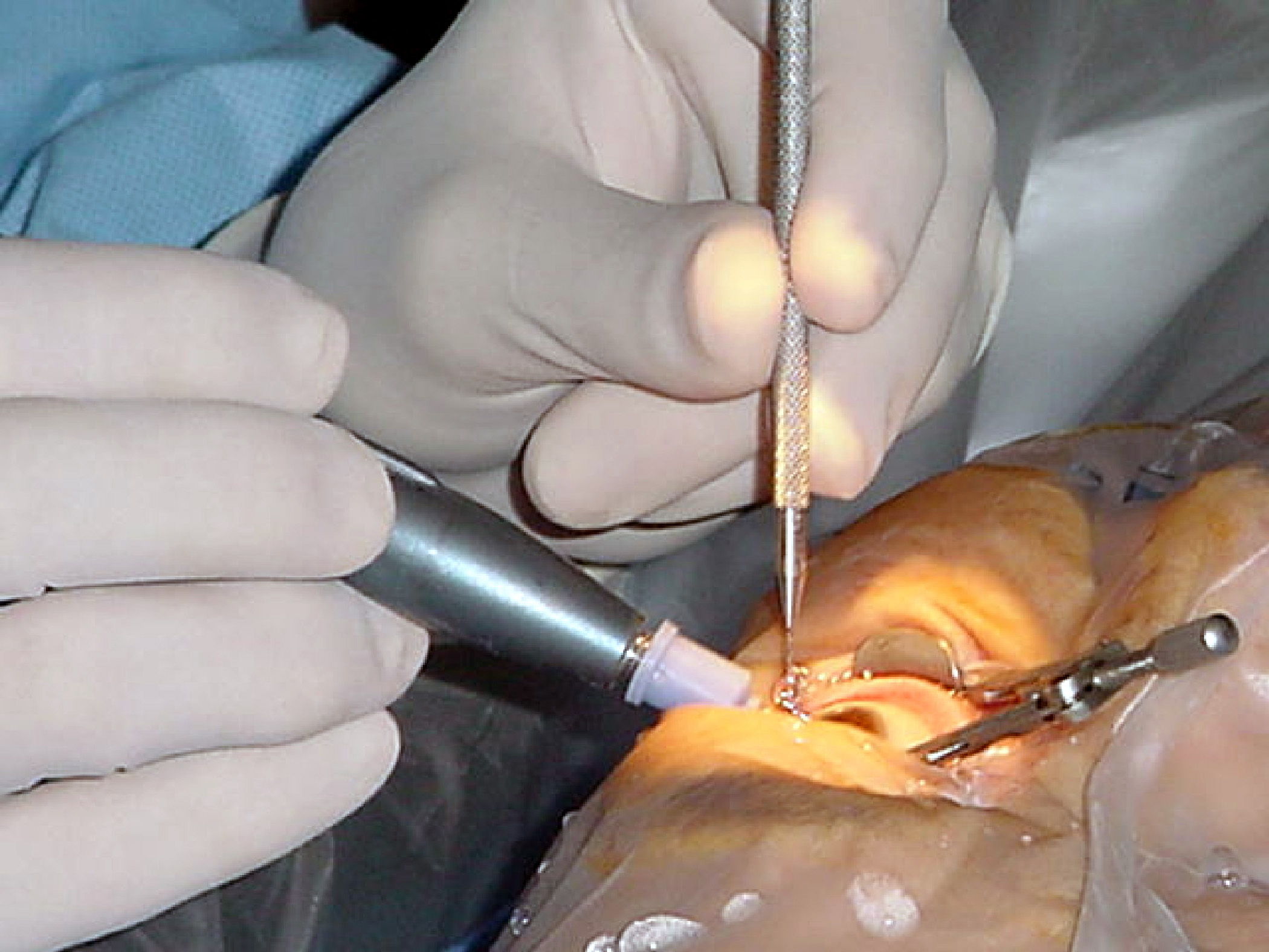
Surgery is the only definitive treatment for cataracts. The most common procedure is phacoemulsification, which involves:
- Creating a small incision in the eye
- Ultrasound waves breaking up the cloudy lens
- Removing the lens fragments
- Inserting an artificial intraocular lens (IOL)
Learn more in this detailed guide.
Post-Surgery Expectations
After cataract surgery, patients can expect:
- Improved vision within a few days
- The need for protective eyewear temporarily
- Possible mild discomfort
It is important to adhere to post-operative care instructions to ensure optimal recovery. Explore further insights here.
Conclusion
Cataract treatment is a well-established procedure with a high success rate. Understanding the process, from diagnosis to post-surgery care, can help individuals make informed decisions about their eye health. For those experiencing symptoms or considering cataract surgery, consulting with a healthcare professional is the first step towards clearer vision. Find additional information here.
