

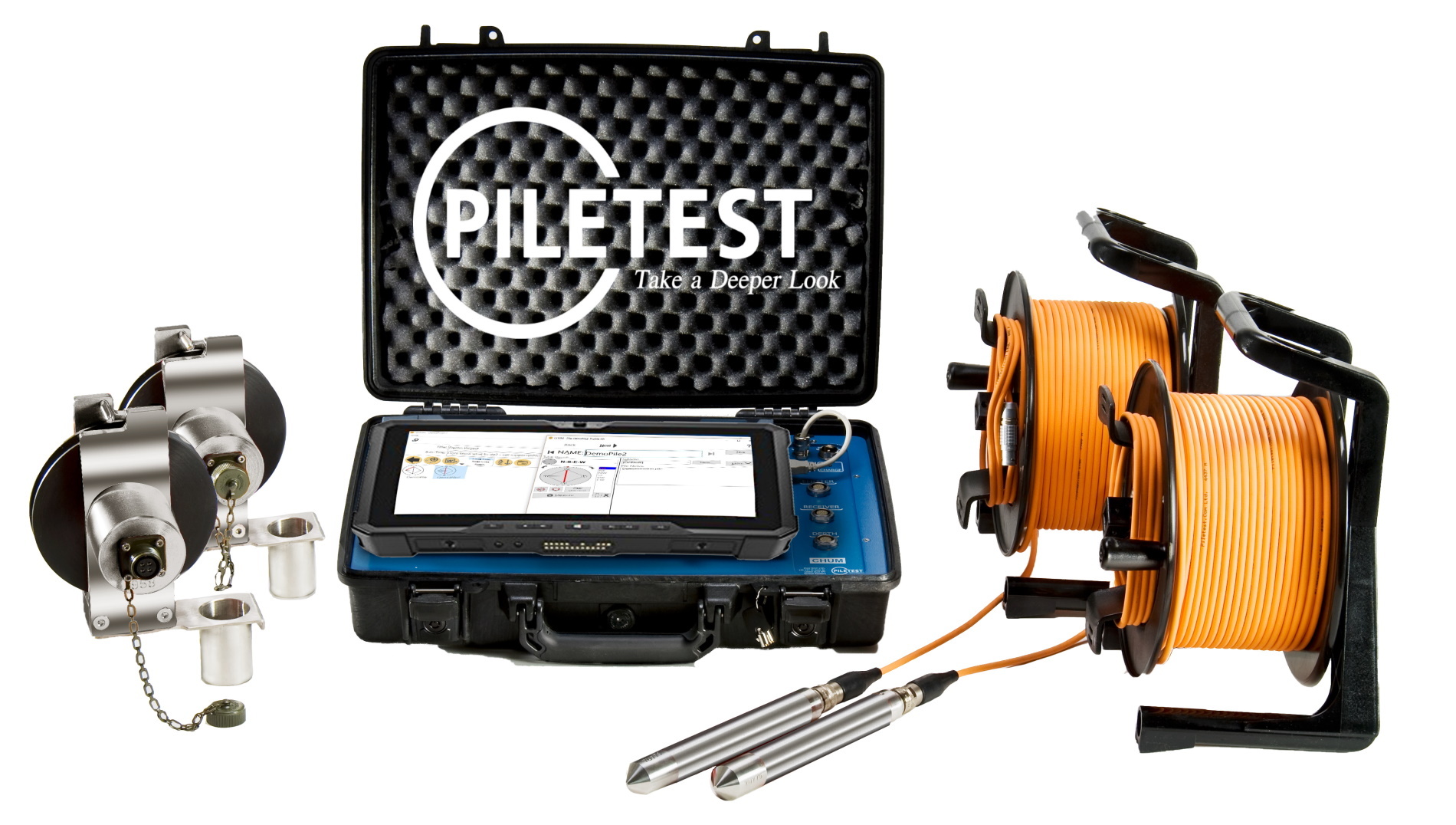
In the quest to ensure structural integrity and safety, particularly in the construction and engineering sectors, Crosshole Tomography Imaging has emerged as a pivotal technology. It offers a non-destructive and highly accurate means of examining subsurface conditions, which is critical for assessing the health of constructions such as bridges, buildings, and dams. By leveraging ultrasonic wave propagation between boreholes, this technique provides detailed insights into the internal condition of concrete structures, thereby allowing for informed decision-making.
Understanding Crosshole Tomography Imaging
Crosshole Tomography Imaging is a sophisticated method used to evaluate the integrity of deep foundations and large concrete structures. This technique involves the use of ultrasonic waves transmitted between multiple boreholes drilled into the structure. Here’s how it works:
- Ultrasonic transmitters and receivers are placed in adjacent boreholes.
- Sound waves are emitted from the transmitter, passing through the concrete to the receiver.
- The time taken for these waves to travel between the boreholes is recorded and analyzed.
- This data is then used to create a detailed image or map of the internal structure.
The precision of Crosshole Tomography Imaging allows for the detection of anomalies such as voids, cracks, or inconsistencies within the concrete, which can be critical for maintaining structural safety. Discover expert strategies here to implement this technology effectively.
Benefits of Crosshole Tomography Imaging
Accuracy and Reliability
The ability to provide accurate, high-resolution images makes Crosshole Tomography Imaging a reliable choice for engineers and surveyors. It helps in:
- Identifying potential weaknesses in foundational structures.
- Enhancing the safety and longevity of constructions.
- Providing quantitative data for risk assessment.
Its non-invasive nature means that evaluations can be performed without compromising the structural integrity of the site. Learn about our tailored solutions to maximize the benefits of this technology.
Cost-Effectiveness
While the initial setup might seem costly, Crosshole Tomography Imaging can lead to significant savings in the long run by:
- Reducing the need for exploratory drilling.
- Preventing costly repairs by identifying issues early.
- Minimizing downtime during structural assessments.
Efficient use of resources and personnel can be achieved by integrating this imaging method into regular maintenance schedules. Find out more about this approach and how it can be integrated into existing projects.
Applications Across Industries
Crosshole Tomography Imaging is not limited to a single industry; it finds applications across various fields due to its versatile nature. Some of the key areas include:
- Construction: Ensuring the stability and safety of new and existing structures.
- Geotechnical Engineering: Evaluating soil conditions and subsurface geology.
- Infrastructure Maintenance: Regular assessments of bridges, dams, and tunnels.
Each application demands specific adaptations of the technology to meet particular challenges and requirements. Explore advanced guides and tips on how to tailor Crosshole Tomography Imaging to specific industry needs.
Conclusion
As infrastructure ages and the demand for safer construction practices increases, technologies like Crosshole Tomography Imaging become indispensable. Its ability to provide detailed, reliable insights into the hidden aspects of structures ensures that engineers and stakeholders can make informed decisions. Embracing this technology is a step forward in achieving sustainable and resilient infrastructure. Explore advanced guides and tips to understand the full potential of this imaging technology.
